belong to world
Sanremo: the mistake we wait for and the business that builds
From the "beauty of live television" to daily work: why a slip-up makes noise, while sacrifices made over time remain unseen. And what all this has to do with us.
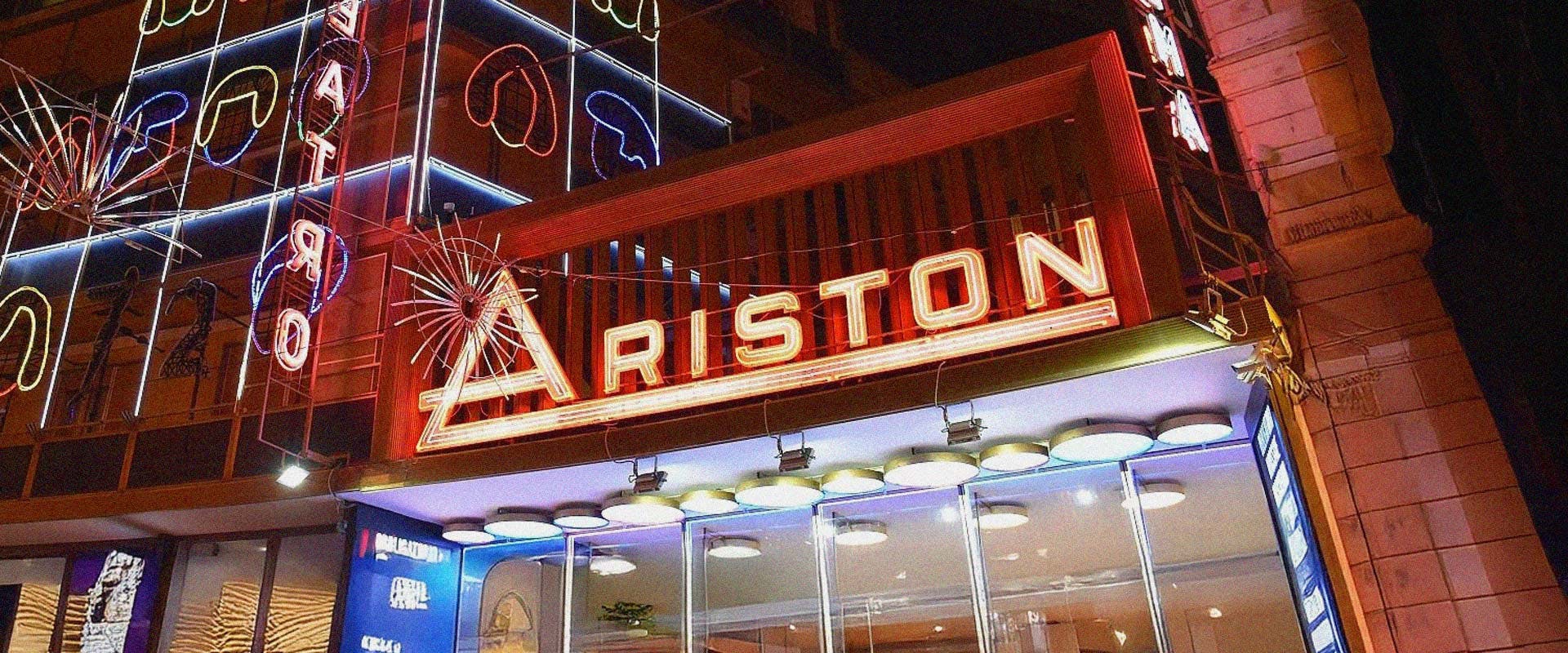
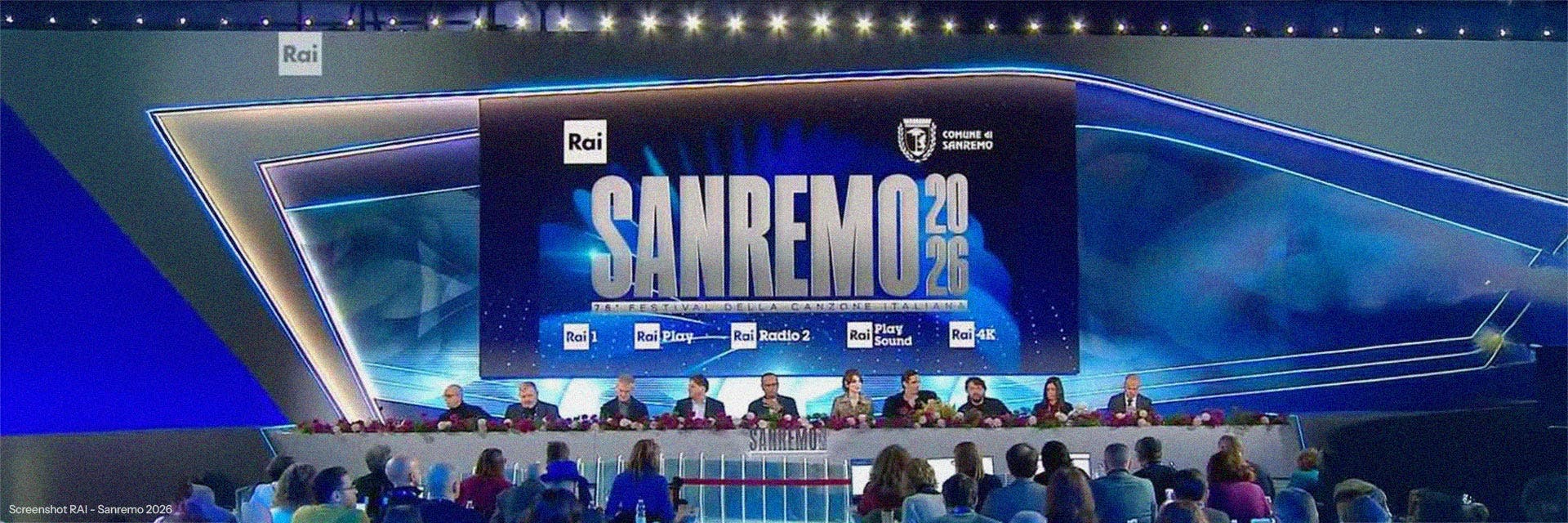
The Sanremo Festival is a recurring appointment for all fans of Italian music, whether or not they are declared followers of the event. It may seem like a contradiction, but we are certain you have also happened to hear—or say—the most diverse reasons why, year after year, Sanremo continues to be a magnet for the public.
There are those who wish to discover the new hit by their favorite artist, those who can't wait to admire the outfits of the competing singers and co-hosts. And then there are those who, comfortably from their sofa, wait for the unexpected. They wait for the imperfection, the slip-up, the out-of-tune note. As if the mistake made everything more authentic, more human, more "real." This is a widespread opinion in a time when artificial intelligence has accustomed us to polished images, texts, and sounds, apparently devoid of flaws. Sanremo, with its "beauty of live TV," still has the power to break the spell of perfection.
It is a cultural paradox that concerns music, but also the way we observe the reality surrounding us. An artist's performance on the Ariston stage—one of the most famous musical stages in the world—is the culmination of months of work: writing, rehearsals, discussions, revisions. Sometimes it represents entire careers built specifically with the goal of reaching that stage. Yet, of all this, we see only a few minutes. And if something goes wrong, that moment becomes the center of the narrative.
Something similar happens in business. The daily work, the processes that support it, the complex decisions, the relationships built over time: everything often remains in the background. A mistake, however, immediately captures attention. We too, like everyone, would have preferred a path without detours. Always perfect decisions, predictable markets, choices immediately rewarded. Linearity is reassuring, it simplifies the narrative, it makes everything more orderly. But that is not how one truly grows.
Our history is also made of moments off the track. Of courageous intuitions that not everyone understood at the beginning. Of "posts" we crashed into and which, in hindsight, proved to be decisive lessons. We did not seek them out, but we moved through them. And each time they asked something more of us: more awareness, more listening, more responsibility.
We have learned that the unexpected, sometimes, is the path. We are made to change and evolve, and the unexpected can become the trigger point for positive change. If we add to this awareness that we deal with fashion and beauty, we understand even better how a mistake can transform into an opportunity: many iconic styles were born from choices initially considered risky, if not outright wrong.
The point is not to celebrate the mistake itself. There is nothing romantic about failing. The point is what we do with it. We can experience it as an accident to be hidden or as a transition to be understood. We can look for a culprit or look for a lesson.
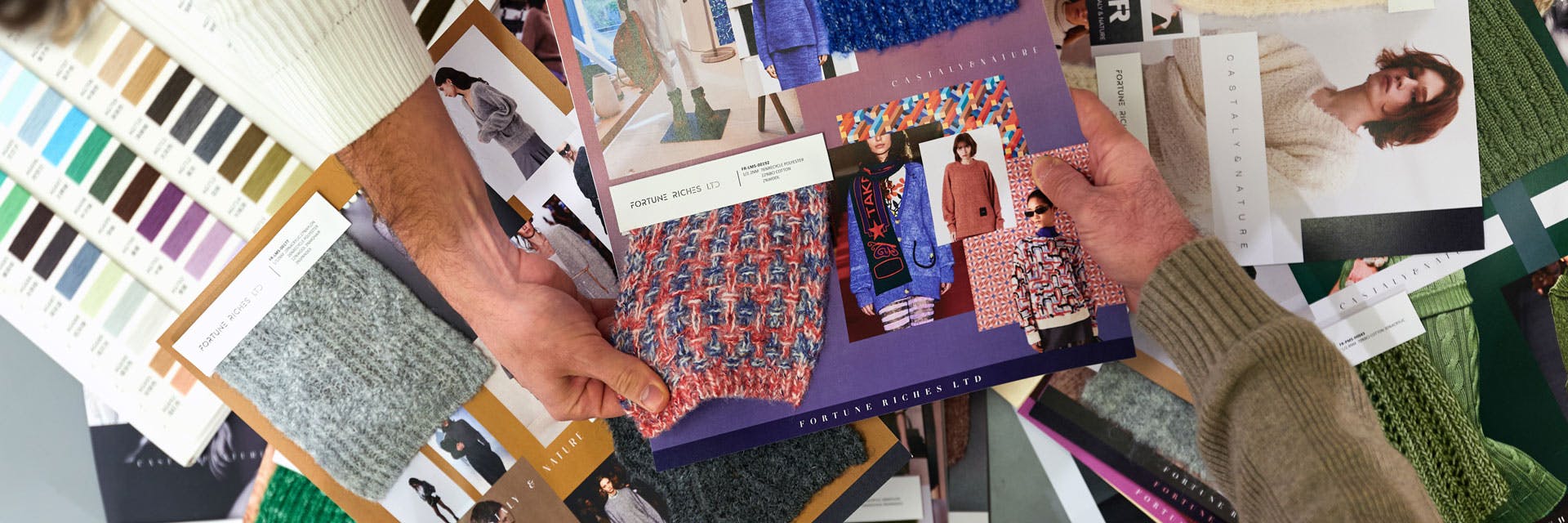
In this sense, our purpose - to dress the world with beauty and hospitality, fostering personal fulfillment - is not a mantra to be evoked only in easy moments. It is what guides us when the road gets complicated. Because putting people at the center also means creating a space where a mistake is not a final condemnation, but an opportunity for learning. It means building contexts where one can say "we got it wrong here" and transform that sentence into the beginning of something more solid.
Perhaps this is what makes the anticipation of the unexpected at Sanremo so powerful: it reminds us that behind every performance there are vulnerabilities, attempts, and revisions. But while on stage the unexpected can become a show, we cannot afford to experience it as such. We must transform it into a method. Over time, we have chosen not to pursue success as a goal in itself. We have followed a precise vision, founded on a simple and radical principle: putting people at the center to build something great.
If the Festival is a collective ritual that unites the country around a stage, our history is a collective journey that unites people around a vision, a desire.
As we observe the most famous stage in Italy, we can recognize ourselves in that ritual: in the tension, in the emotion, in the desire to do well. Knowing that authentic growth is never a show that appears suddenly, but a process built day after day, note after note. And from the stage, we have already identified our favorites!