belong to everyone
Working to belong: what young people really seek in work today
Because young people aren't just looking for a job, but for a place where they can feel part of something.

Among the voices that populate Belong, we want to make room for those who, with clarity and passion, can interpret the transformations of contemporary work and articulate them through a fresh lens. Silvia Zanella is one such voice. A manager and author of the book "Basta lavorare così", a radical invitation to rethink work as a space for meaning and connection, Zanella is also one of the keenest observers of the younger generations and their desire for authenticity, wellbeing, and freedom.
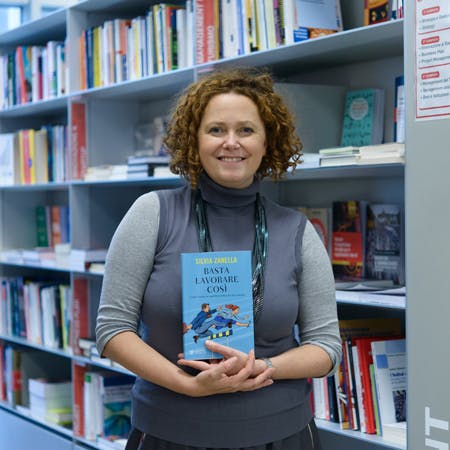
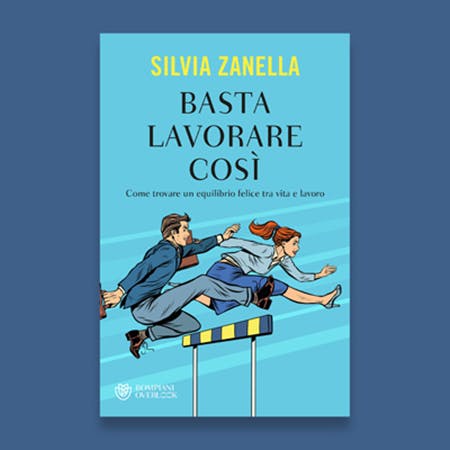
Through her blog, newsletter, and active presence on LinkedIn, she fosters a collective reflection on how work can once again become a human, generative experience—one capable of valuing every single person in their entirety.
In this contribution—which we feel aligns closely with our vision of business as a community—Silvia guides us through a transformation already underway: that of a generation that no longer wants to "be their job," but rather to "belong" to a place where they can grow, express themselves, and truly contribute.
by Silvia Zanella
It is not true that young people no longer want to work. The truth is, they no longer want to work this way. This reflection stems not only from observation but also from my personal experience: in the meetings, dialogues, and stories I hear every day, there emerges a search for meaning that goes far beyond simple employment. Those entering the professional world today want to feel recognized, to have the space to express their identity, and to contribute with authenticity. Work is no longer just a label to display or an entry on a resume: it is a place where one wishes to be seen as a person, not just a role.
Generation Z has broken away from the mantra "I am my job." Often, by observing the struggles of previous generations, they have learned that a person’s value is not measured by the title at the bottom of an email or the amount on a paycheck. They want to bring all their facets to the office: their passions, skills, vulnerabilities, and life experiences. And they expect organizations to be ready to welcome them as human beings, rather than pigeonhole them as numbers.

For those seeking work today, the concept of belonging is not an empty slogan. It is a concrete demand: to feel part of a community that knows how to listen, value, and respect differences. Young people are not looking for a "parental" company, but for a context in which to grow, learn, make mistakes, and contribute with their own uniqueness. Psychological well-being has become an indispensable criterion in choosing a job. This isn't just about benefits or remote work; it is about environments where emotions are not considered an obstacle—where one can speak openly about stress, anxiety, and the desire for balance. For those entering the job market today, wellbeing is not merely the absence of burnout: it is the opportunity to learn, to feel part of a meaningful project, and to build authentic relationships. It is also the freedom to say "no" to toxic dynamics, to managers incapable of listening, and to colleagues who fuel competition instead of collaboration.
Flexibility is no longer a privilege, but a necessary condition. Younger professionals demand autonomy, trust, and the possibility to organize their own time and space. They want to choose when and where to work, without being evaluated based on physical presence or hours spent in front of a screen. Above all, they want work to leave room for life: for relationships, passions, and self-care.
The data confirms this: according to the latest research, 73% of Gen Z and 78% of Italian Millennials consider psychological safety and work-life balance fundamental criteria when choosing a job. Four out of five under-35s would leave their jobs if forced to give up flexibility. Family, friendships, and free time matter more than a career. This is not a matter of "spoiled youth": it is a profound cultural transformation that affects everyone, and one that businesses can no longer afford to ignore.

But not all companies are stuck in obsolete models. For years, some have been investing in a culture of listening, inclusion, and personal growth. In these organizations, company culture is not just a statement but a lived experience: dialogue is encouraged, individual contributions are recognized, and investments are made in training and creating spaces for discussion. Leadership becomes a form of service, growth is shared, and work organization is designed to value diversity and foster participation.
A sense of belonging is built day by day through concrete acts of trust, listening, and shared responsibility. The companies that manage to evolve from mere places of production into true communities of growth will be the ones capable of meeting these new expectations. For those seeking work today, "belonging" means being able to bring one’s own story, passions, and vulnerabilities into the professional sphere. It means not having to wear a mask for eight hours a day, but feeling welcomed for who you are, with all your nuances. It is a request to be treated as adults—to be able to express opinions, emotions, and ideas without fear of being judged or penalized.
The younger generations have grown up in a world marked by precarity, where the boundaries between private life and work are increasingly blurred. They have seen parents and siblings sacrifice themselves for companies that often failed to deliver on their promises. This is why they demand clarity, consistency, and respect today.
In this scenario, the role of businesses changes radically. Offering benefits or salary increases is no longer enough. There is a need to build an organizational culture that values diversity, promotes dialogue, and recognizes and rewards everyone’s contribution. It requires investing in personal growth and creating spaces for listening and exchange. Above all, it requires the courage to challenge models and practices that no longer work.