belong to everyone
Nothing is more necessary than the superfluous: Pasolini meets Oscar Wilde
When consumption becomes knowledge: Wilde, Pasolini, and the value of what we choose, especially during Black Friday
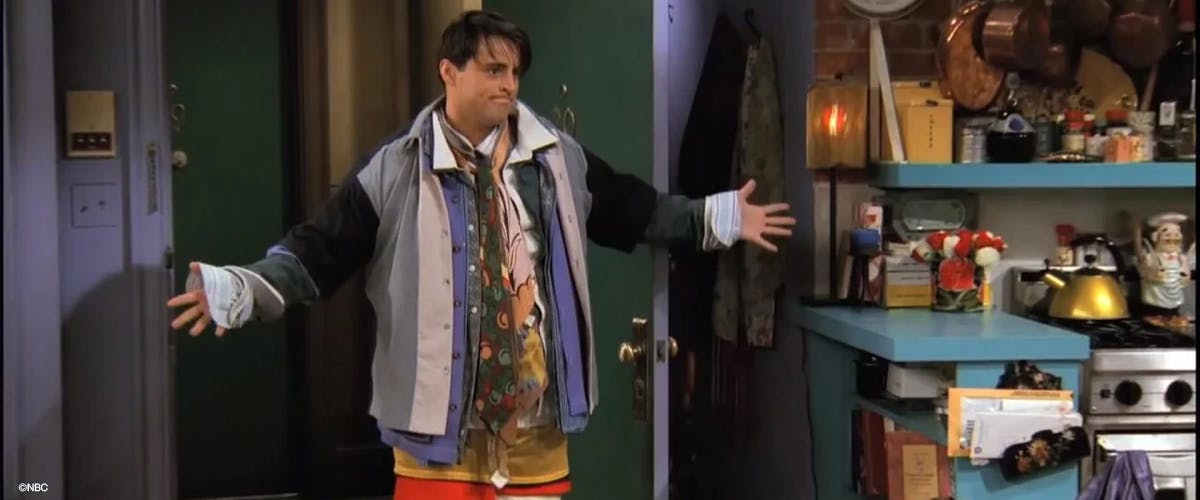
“When we know the price of everything and the value of nothing,” with this provocation Oscar Wilde anticipated Pier Paolo Pasolini’s still-relevant description of consumer society — a world where desires, needs, and necessities blur, and where the urge to buy ends up redefining the very meaning of our choices. And now, just as Black Friday approaches and discounts make everything even more tempting, it’s worth pausing to ask ourselves: “What do I truly need?”
This question isn’t only useful for approaching the shopping experience in a conscious and sustainable way, but also for living our relationship with brands, fashion, and trends as a lively and curious dialogue in which the object becomes a real tool for discovery. After all, this was precisely the aspect that Pasolini criticized about consumer society: its ability to crush the individual, giving them the illusion of freedom of choice.
Pasolini’s world is clearly not our world today, but his challenge remains valid and will continue to be so in the future. To understand it better, let’s try to look at reality through the eyes of Oscar Wilde.


What the author of The Picture of Dorian Gray calls the “superfluous” is not simply what exceeds the necessary, but a territory of freedom — a space where the individual exercises their ability to choose, desire, and imagine. The superfluous thus becomes an extension of our relationship with time, because it is in free, non-productive time that our most authentic desires emerge.
When we bring this interpretation into the present — especially at times of the year when consumption reaches its symbolic peak — the superfluous acquires an almost revelatory value. It is no longer just the purchased object, an ephemeral gesture, or a seasonal excess: it becomes a language through which we explore our own identity. So the superfluous is not a whim, but a mirror — a way to look inside ourselves and understand what we truly desire and why.
On the other hand, Pasolini feared that the superfluous could become imposition: a single model of happiness programmed for everyone, a “must-enjoy” that eliminates the freedom to say no. But what if, instead, we tried to look at consumption as something we are willing to wait for?
Black Friday is often seen as the moment of impulsive purchasing, but it can also be the exact opposite: the conclusion of a year of waiting - the moment when what we truly desire becomes accessible. In this sense, yes, nothing is more necessary than the superfluous. By experiencing consumption and shopping as conscious choice rather than an automatic response imposed by the media or by market rhythms, we in a sense reclaim our freedom.
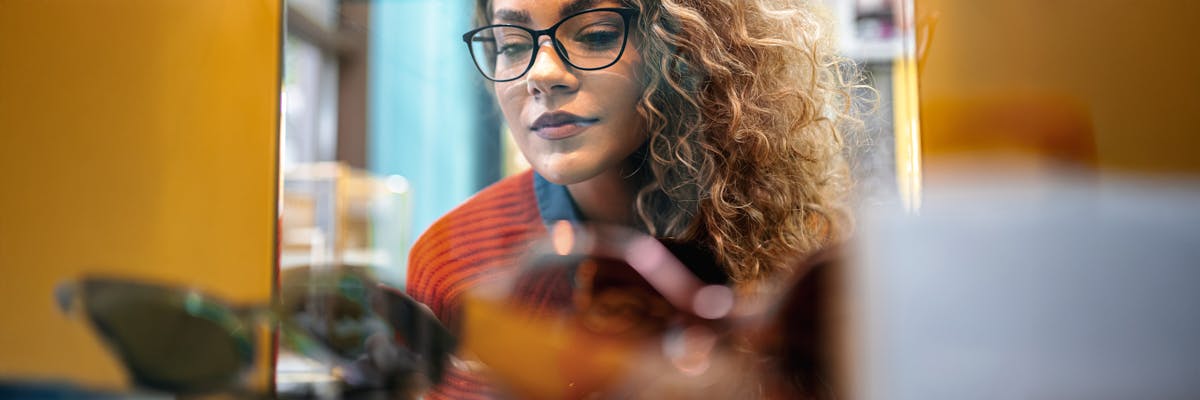
Come Gruppo impegnato a vedere la moda come strumento di consapevolezza e conoscenza, ci interroghiamo spesso sulle esperienze di chi ci sceglie, soprattutto in occasioni forti e mediatizzate come il Black Friday. Perché, così come la vita in azienda è intrecciata a ciò che viviamo fuori dall’ufficio, anche un gesto pratico come l’acquisto è legato a chi siamo e a ciò che cerchiamo.
Quando l’acquisto non sostituisce il pensiero ma lo accompagna, quando il tempo libero non è riempito per dovere ma vissuto con intenzione, anche il Black Friday diventa un momento da osservare con curiosità. Ed è proprio questo sguardo – aperto, critico, creativo – a ricordarci che la vera sfida non è comprare o risparmiare, correre o fermarsi, ma capire chi siamo attraverso ciò che scegliamo.
E in una realtà come la nostra, che mette la persona al centro, questa non è una nota a margine: è una direzione.
As a Group committed to seeing fashion as a tool for awareness and knowledge, we often reflect on the experiences of those who choose us, especially around highly publicized moments like Black Friday. Because, just as life within the company is intertwined with what we live outside the office, even a practical act like purchasing is tied to who we are and what we seek.
When buying doesn’t replace thinking but accompanies it, and when free time isn’t filled out of duty but lived with intention, Black Friday too becomes something observed with curiosity. And it is precisely this open, critical, creative gaze that reminds us that the real challenge is not to buy or save, to run or to pause, but to understand who we are through what we choose.
In a reality that puts the person at the center, this is not a footnote, it’s a direction.