belong to everyone
Design as a tool for relationship: from Salone del Mobile to Teddy Group’s store spaces
The stories, challenges, beauty, and contradictions that design the soul of Teddy Group's points of sale.
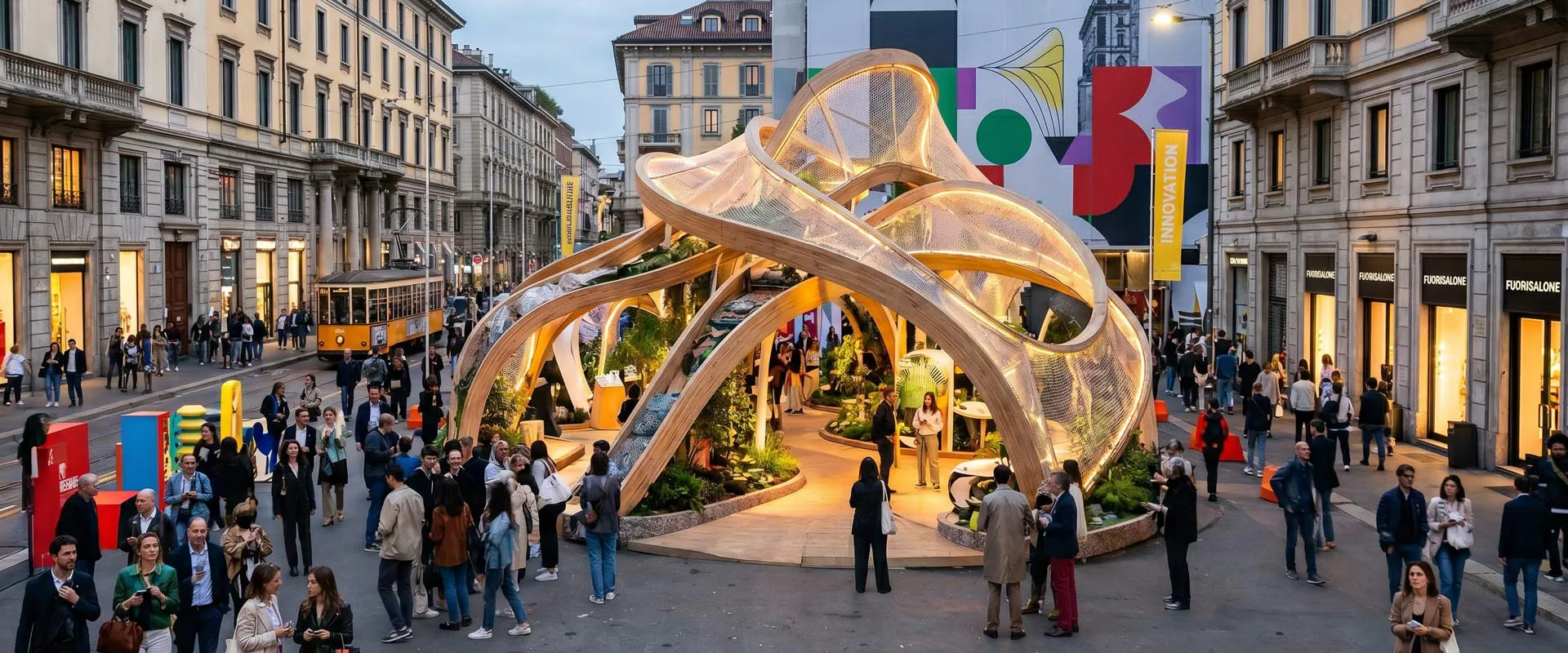
This year, the Salone del Mobile and the entire Milan Design Week open to the public with a particularly fascinating provocation: in a time of AI and speed, the kermesse seems to bring the person back to the center and explore how design becomes a tool for dialogue and encounter. For us, as we conceive relationship and hospitality as fundamental pieces of our DNA, the Salone del Mobile becomes a magnifying glass through which to question the role and meaning of our spaces. Within this scenario, a precise question gains even more strength: what does it mean to design stores that are not just functional, but capable of generating relationships? We spoke about this with Marco Cicognani, Giorgia Gardini, and Giacomo Ferri. All three work for Store-lab, a Teddy Group company that handles the design and development of retail points of sale.
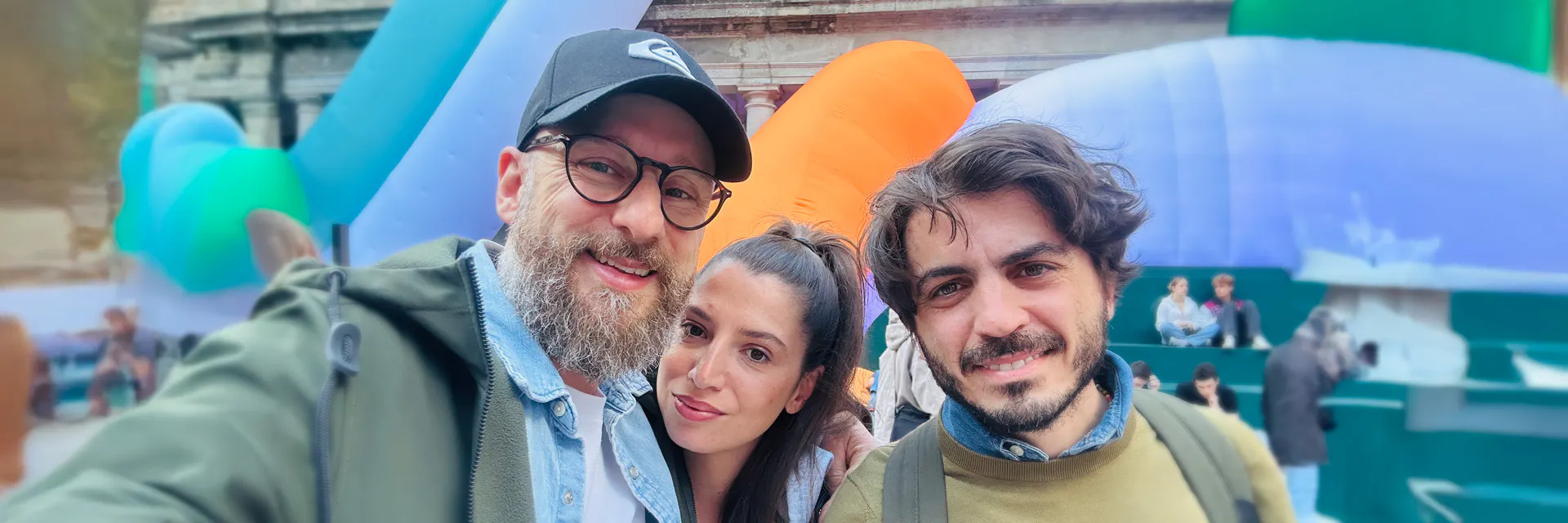
Welcoming even before meeting
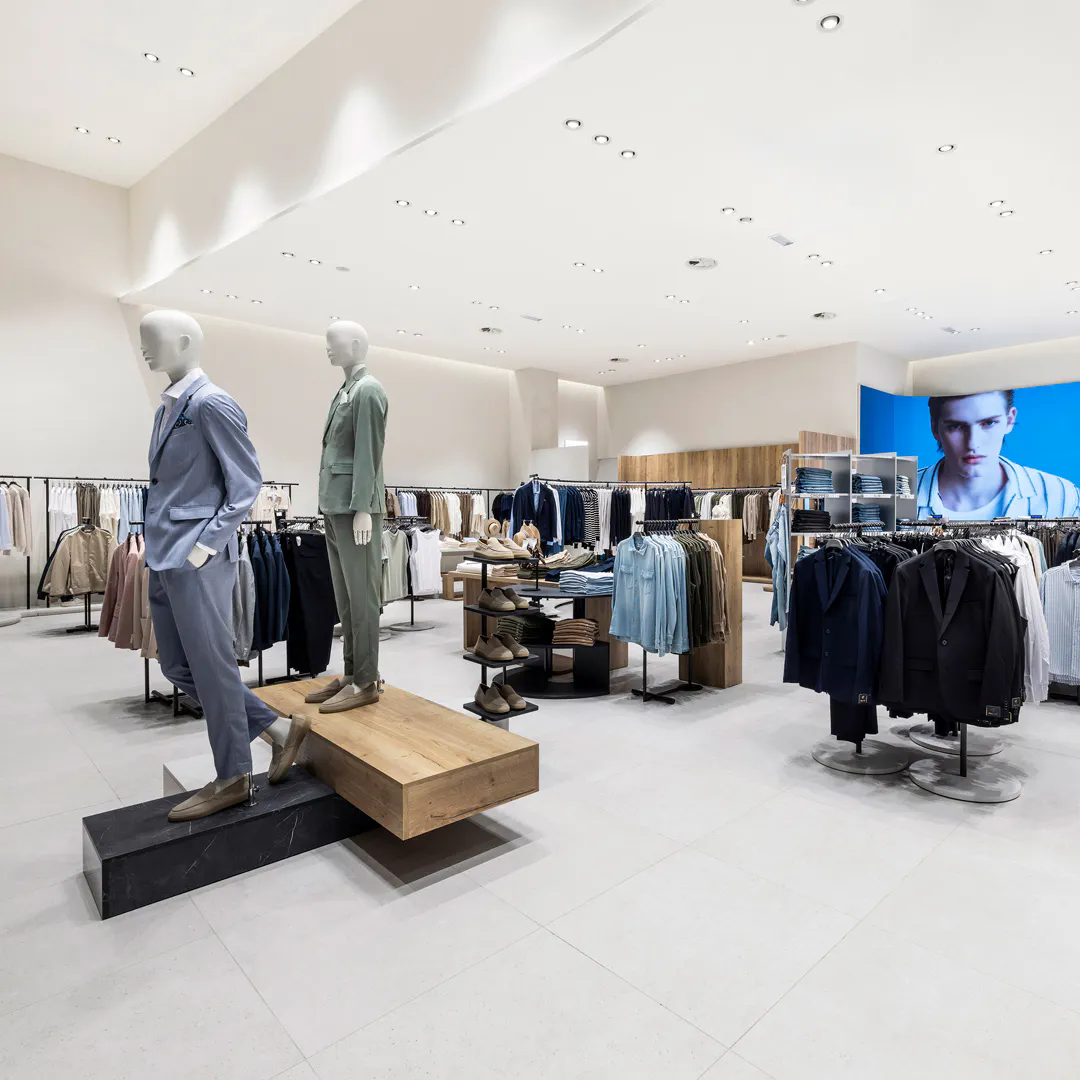
«Designing a space often means imagining those who will inhabit it without ever having met them. It is from here that a first form of relationship is born». With these words, Marco Cicognani, Retail Design Coordinator for Calliope brand stores, explains how the work on the new Calliope store concept started from this very intuition: «If I look back at the last three years of work, everything was born to welcome someone: the final customer. We anticipate spaces without knowing who will inhabit them, and we try to transmit something through our signs, from walls to floors, from furnishings to lighting. The goal is to surprise people and make them feel welcomed». In this vision, every detail becomes significant: light, display, materials. These are not neutral elements, but tools to build a memory. «What we leave to those who experience our stores—he adds—is the experience. I try to gift small moments of beauty. The store is a sort of legacy that we leave to those who come after».
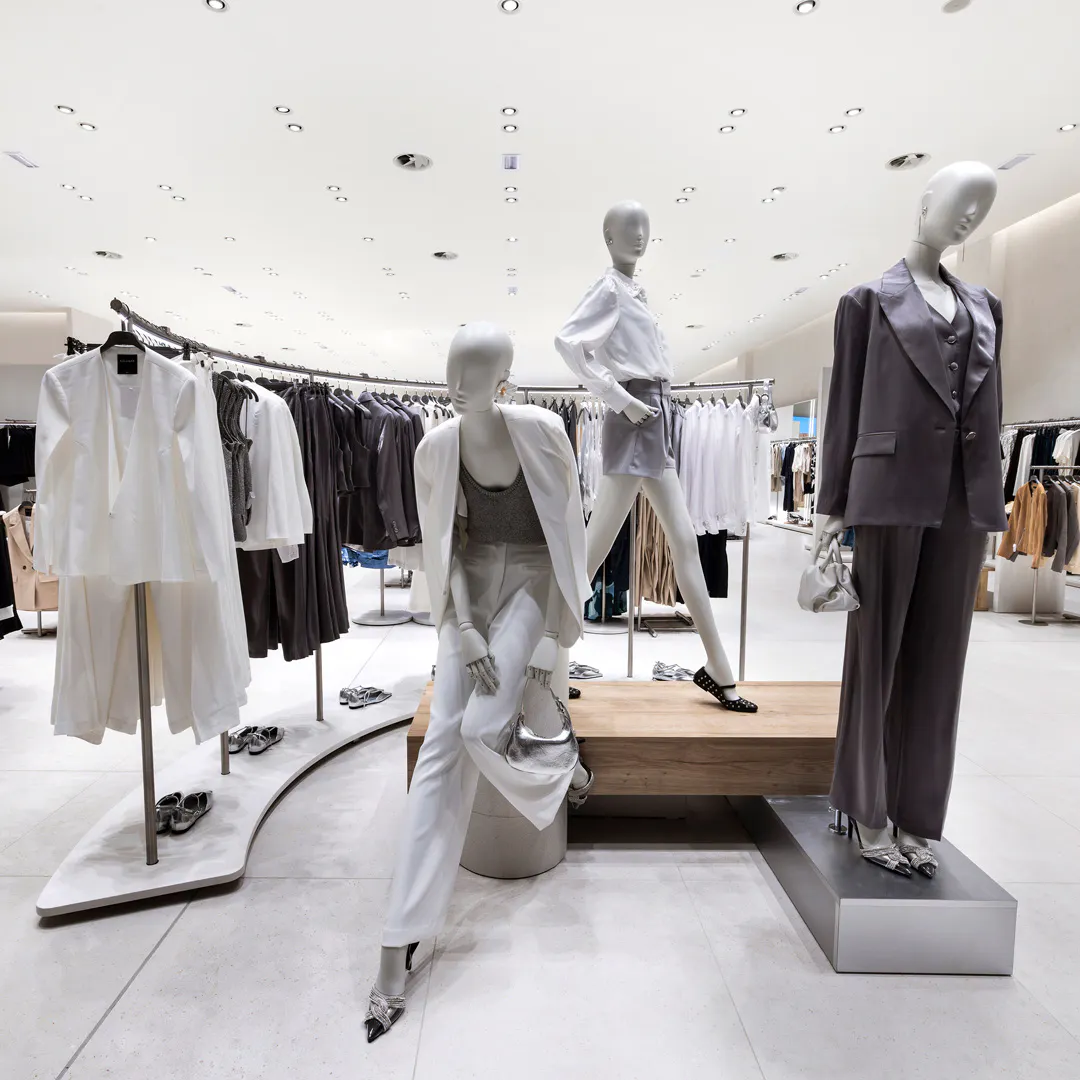
Giorgia Gardini, retail designer and project manager who designed the “Anthea” concept for Rinascimento, moves along this same line, but with a particular focus on the sensory and inclusive dimension of space: «Rinascimento, even by just creating a new object, wants to convey surprise and hospitality; in creating this, I let myself be inspired by everything: diffused lights, soft lines, spaces that put every person at the center».
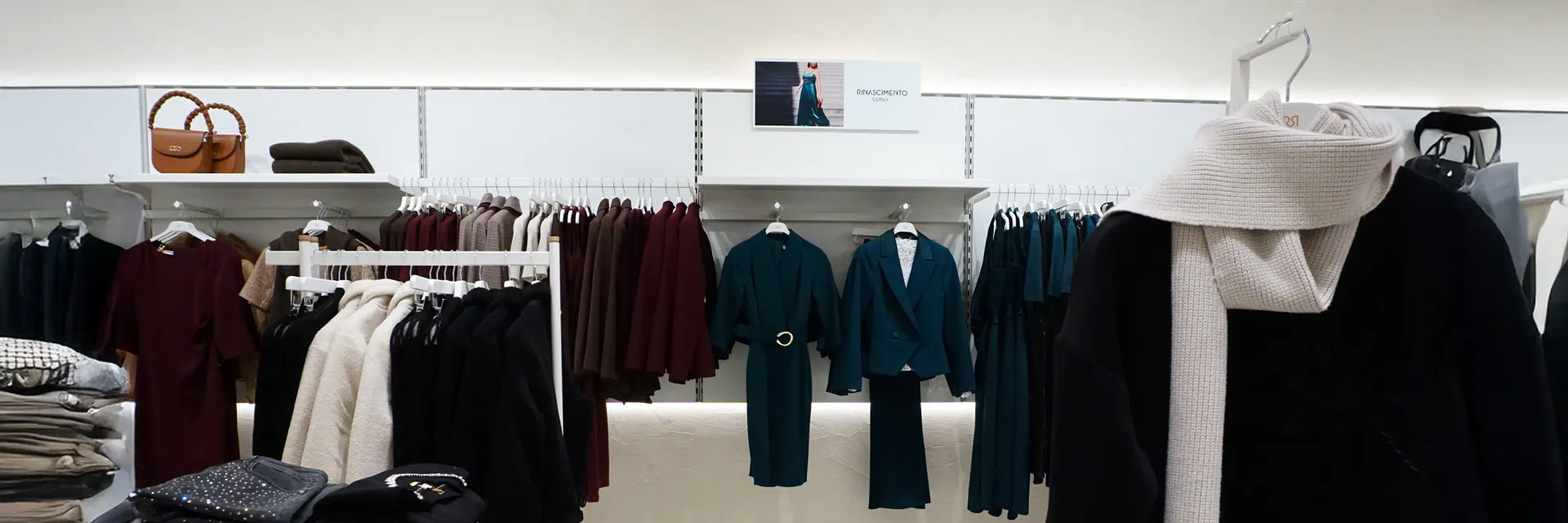
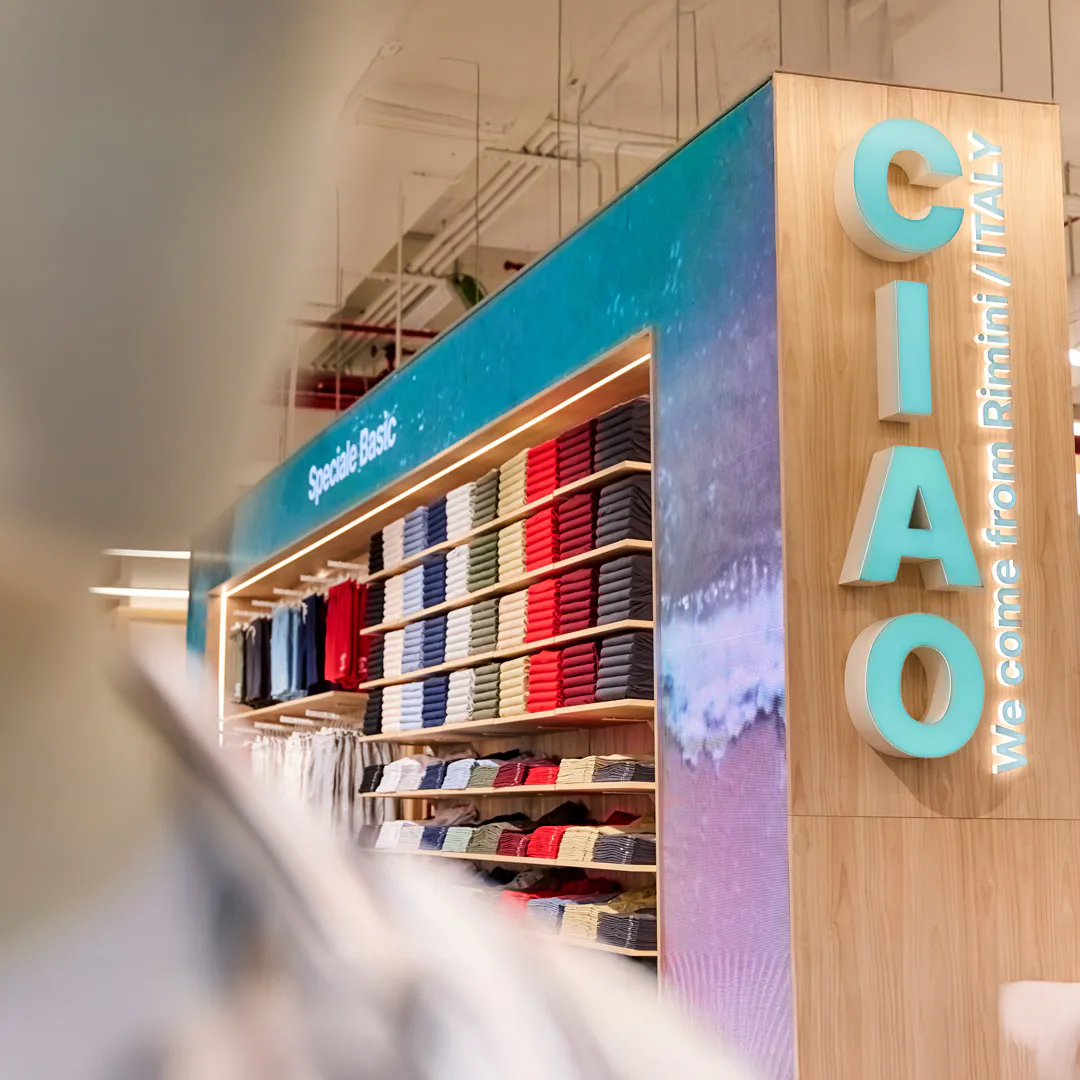
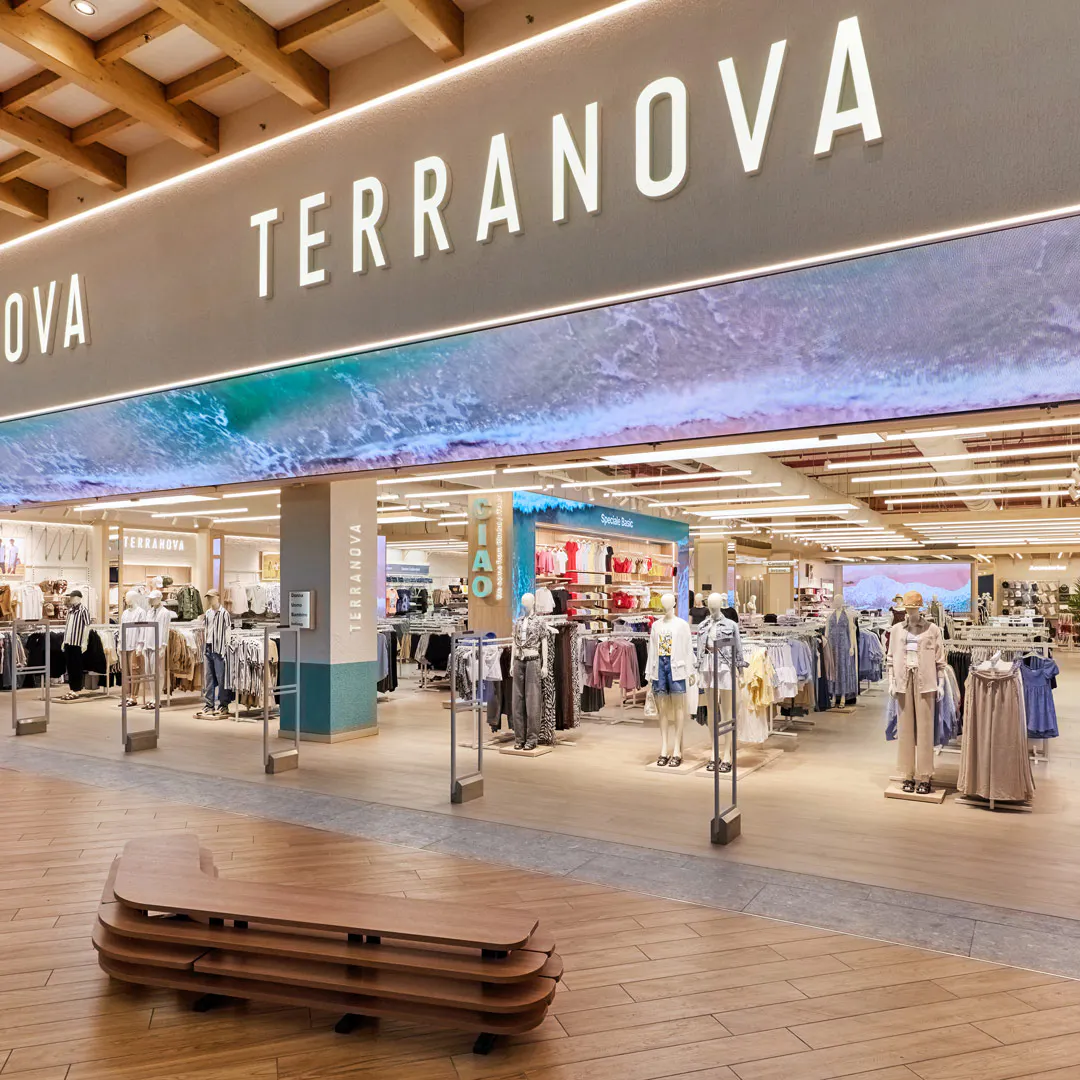
For Giacomo Ferri, the retail designer who designed the Riviera 2.0 format for Terranova together with his team, the starting point is instead the brand's very identity, which translates into a deliberately simple and accessible design: «Terranova was born with an idea of inclusiveness: allowing everyone to live an experience of total freedom in the store. The message is clear: everyone is welcome. The space must be familiar, recognizable, human». But a distinctive element emerges in this narrative: roots. «We bring our Romagnolo identity into the stores - Ferri explains - made of hospitality, simplicity, and everyday beauty. Our design is not born from starchitects, but from the relationship between our teams». Cicognani adds an important piece: «The store is our privileged relationship with the customer. Every brand has its strength, but what truly makes the difference is the quality of the relationships between us».
From process to project: where the human comes into play
If design is relationship, then it cannot be reduced to a sequence of pure mechanics. From here, a second question arises: what is the difference between process and project? And what role does artificial intelligence play today?
«The process can also be managed by AI - asserts Marco Cicognani - but in the project, there is a need for us. In the process, there is the head; in the project, there are both head and heart». Giacomo Ferri expands this reflection by introducing a more identity-focused dimension, emphasizing how «in the project there is the 'I', in the process there is a more blended 'we'. The process is the road, the project is the purpose. And that purpose, for us, is something that goes beyond the result: it is linked to the purpose that the founder of the Teddy Group, Vittorio Tadei, passed down to us». This vision is also reflected in the company's internal spaces: «In our offices, the purpose is visible, shared. It continuously reminds us why we do what we do». Giorgia Gardini offers a complementary, almost opposite view: «I experience the process as something individual: there are guidelines I can follow even alone. The project, however, is pure relationship: it is born and takes shape in the synergy between team and brand».
Work as a personal experience
When design is born from relationship, the connection with one's own work also changes. It is no longer just execution, but experience.
Giorgia describes this bond directly: «I love my job and I feel lucky. I have a role that allows me to follow everything, from design to realization. I often work alone, and I can't deny it is often tiring, but the satisfaction of seeing a project take shape pays for everything». For Ferri, instead, work coincides with a form of freedom: «Here I can be myself. I don't feel a fracture between work and private life: there is continuity. It is the same thread that links breakfast with my family to a lunch with colleagues». Marco Cicognani, looking at his own path, highlights another aspect: responsibility as an opportunity. «I began my story with Teddy thirteen years ago, after an experience in China. Here I had the chance to follow projects from beginning to end. We are asked to take what we do seriously, to go deep, to search for its meaning». And he concludes with a reflection that holds everything together: «We face large and small challenges with the same enthusiasm. This way of experiencing work is part of the DNA of the Teddy world; it stems from Vittorio Tadei's dream. We are full of contradictions, but right there, in our imperfection, something alive and profoundly human is built».
In short, the real challenge is to connect aesthetics and function, form and meaning, so that every sign, every space, and every path is truly capable of welcoming because it was thought for everyone.