belong to world
What does “Senza Fine (Endless)”mean today? The legacy of Gino Paoli
In an era of content consumed within 24 hours, “Senza fine” reminds us that some songs and some dreams have no expiration date and continue to live every time we press play.
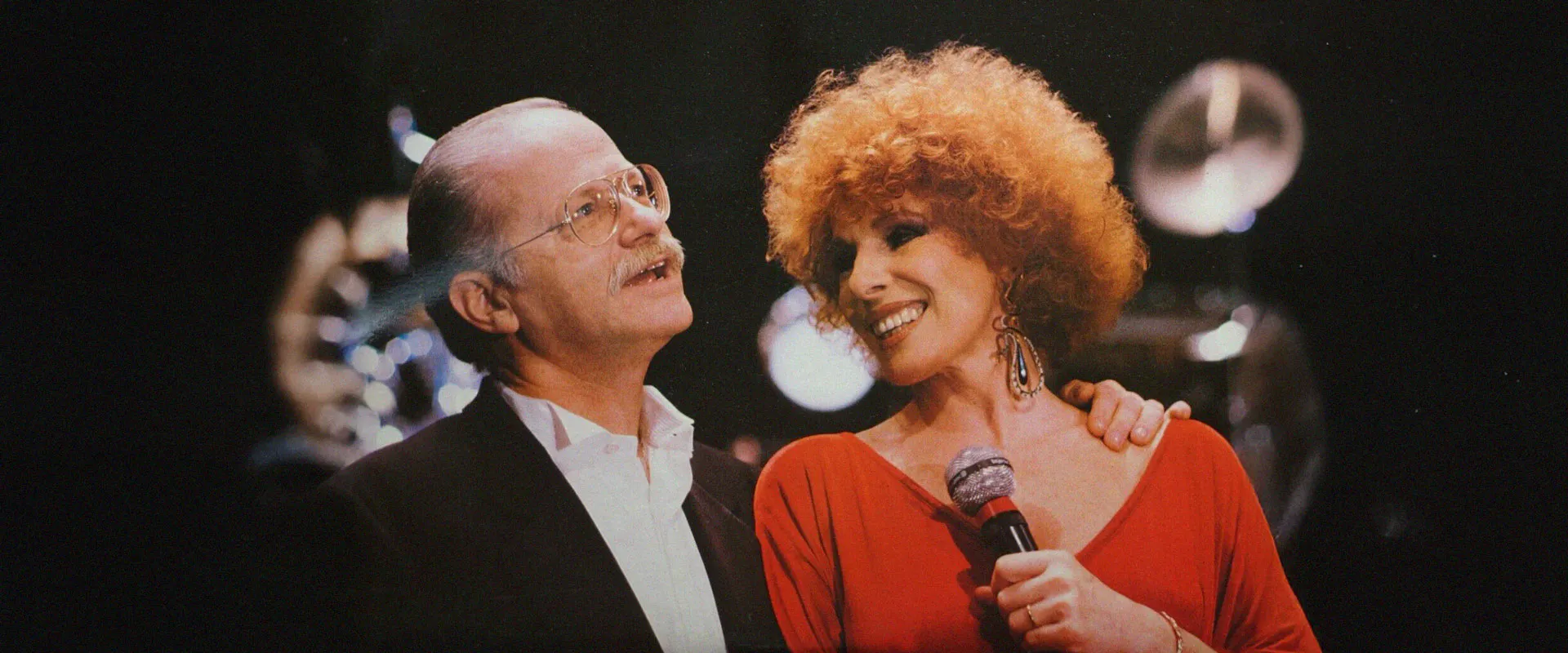
When a singer-songwriter like Gino Paoli leaves us, there remains that feeling one has when an important piece of that uniquely Italian musical culture, which has accompanied several generations over the years, goes missing. Immediately, a doubt arises: who can take his place now? Who will be able to speak of love in such an intimate way as he did? Then, however, almost discreetly, a more solid thought emerges. Perhaps it is not a matter of simply taking up a space; certain voices are not replaced, they remain. This is where the concept of Senza fine—"Endless"—becomes more than just a title. An artist's life has a limit, but their songs do not. They continue to circulate, to be discovered and reinterpreted. Eras change, and so do the mediums through which they are heard. Perhaps some nostalgic soul still has the first edition vinyl to spin on a turntable on a lonely Sunday morning. Others listen through headphones while walking down the street. Still others might "forget" it, but a quick play on the radio is enough to dive into the past, into those moments when Paoli's words helped navigate a piece of private life. Tracks like Senza fine, Il cielo in una stanza, Sapore di sale, or La gatta are fragments of collective memory that are hard to forget. On the contrary, they belong to people's stories. They have accompanied falling in love, goodbyes, car trips, and summer evenings. And every time someone listens to them, those words come alive again.
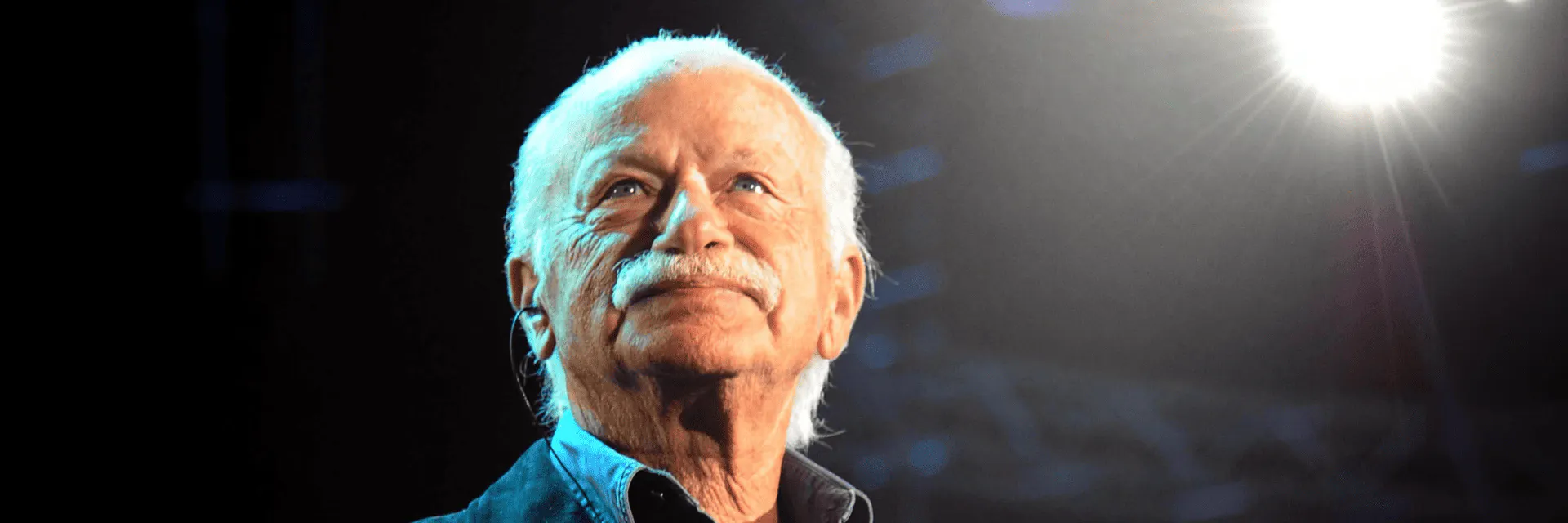
When Gino Paoli wrote Senza fine, it was 1961. Italy was experiencing the economic boom, stepping into modernity, and television was entering Italian homes, yet light music was still often tied to traditional patterns. Paoli, along with other singer-songwriters of the so-called "Genoese school" like Luigi Tenco and Fabrizio De André, introduced a different way of writing: more personal, more intimate, and less manufactured. Senza fine was born at a specific sentimental moment in his life and is linked to his relationship with Ornella Vanoni. It was not a song designed at a desk for the market to earn money, but rather a private declaration that became public. And that is perhaps its strength. There is no rhetoric, only a feeling told naturally, almost in a whisper. Vanoni then interpreted it and made it immortal.
Senza fine, tu sei un attimo senza fine, non hai ieri, non hai domani…
(Endless, you are an endless moment, you have no yesterday, you have no tomorrow…)
It is a phrase that seems suspended, as if it never truly wanted to close. And here is where the parallel with today becomes powerful. We live in a time where content has a built-in expiration date. Stories last 24 hours, trends change every week, and songs often explode and burn out within a few months. Everything is designed to generate revenue as quickly as possible and to reach an ever-wider audience.
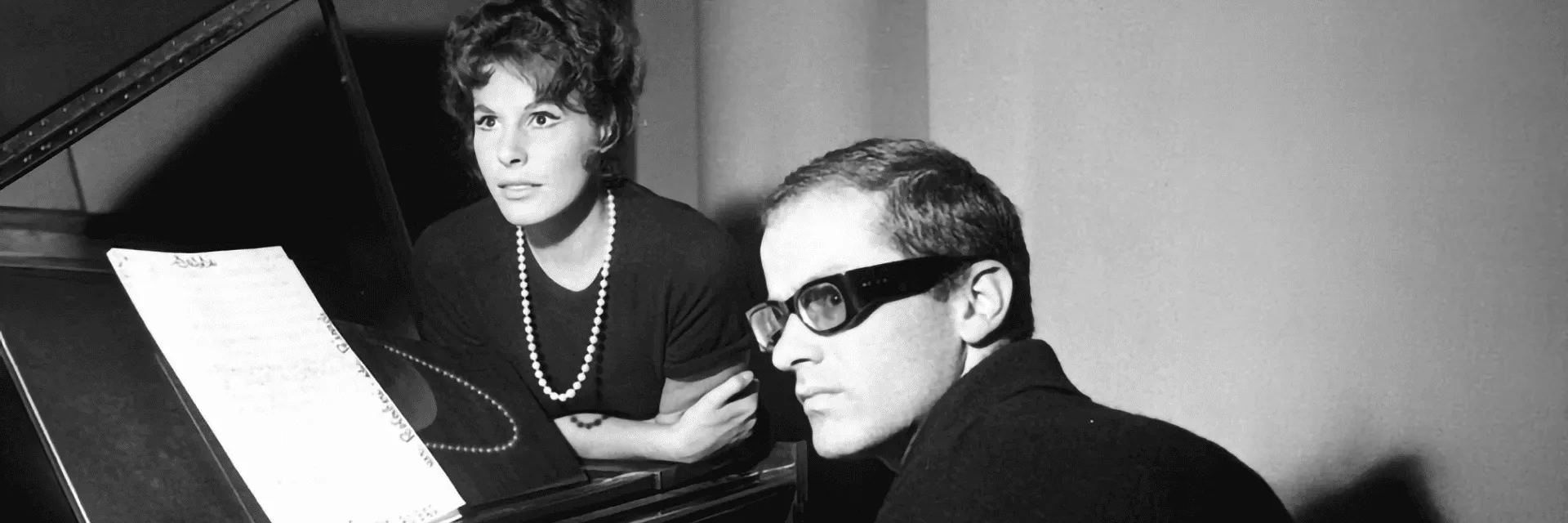
Senza fine, however, was born outside this logic. It does not seek immediate impact, but duration. It was not built to amaze; perhaps it was meant to be only a declaration of love and not even a song. Yet it has truly remained. More than sixty years after its release, it continues to be heard. Not because it belongs to an era, but because it speaks of something that does not expire: the feeling that a sentiment, an idea, a Dream, can continue to live within us, even when everything around us changes.
Gino Paoli's life had a beginning and an end. But his songs do not. And as long as someone, in any room, plays those notes—on vinyl or on a smartphone—that thread will continue to stretch. In a world that moves incredibly fast, this is a form of cultural resistance. And perhaps it is the most concrete of legacies.