belong to world
Looking at what remains: the legacy and vital positivity of Alex Zanardi
On May 1, 2026, the same day that thirty-two years earlier his idol Ayrton Senna passed away, Alex Zanardi left us. Not a cover-poster superhero, not a secular saint to be celebrated with cloying rhetoric: a man who traversed multiple lives without ever stopping to question what it meant to live just one, to the fullest.
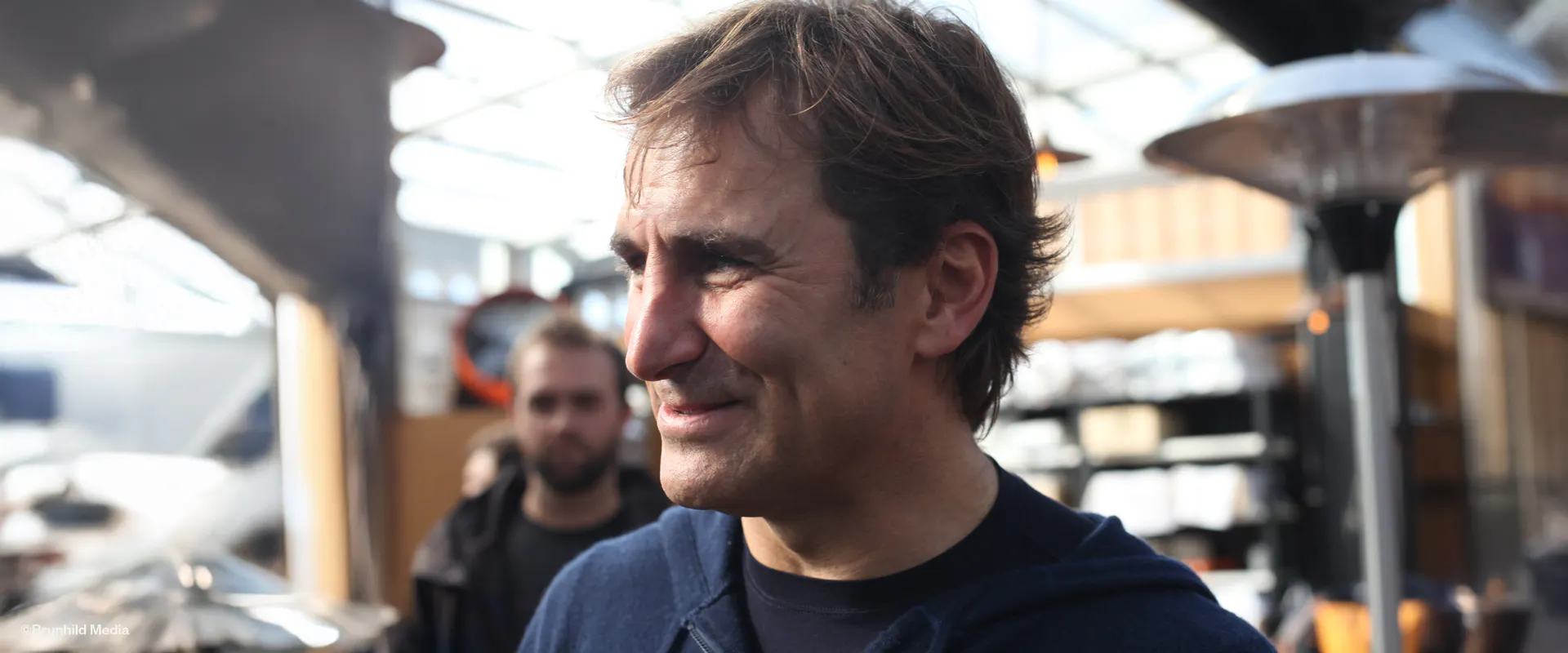
Speaking of Zanardi today means resisting the temptation of mythology. Turning him into a motivational poster or an abstract icon is a risk that he himself, with his razor-sharp irony, would have nipped in the bud. "I am not the only one in the world who suffers and I don't want to be a symbol," he often repeated, "I'm just a guy who doesn't get discouraged and who, in difficult moments, doesn't put it in reverse, but if possible accelerates." That "if possible" of his—always spoken with a hint of a smile— encapsulates his entire philosophy: a lucid awareness of limits combined with the stubbornness to never let himself be defined by them.
What interests us today is trying to understand what this man from Castel Maggiore truly leaves us. The son of a plumber and a seamstress, he grew up in that Emilia-Romagna land that has always produced talents capable of starting from the provinces to establish themselves in the world. A land that teaches you to keep your feet planted firmly while your gaze stretches toward distant horizons. Zanardi, in this sense, was profoundly Emilia-Romagnol: concrete and visionary, ironic and determined, incapable of taking himself too seriously, but capable of taking what he did damn seriously.
Coffee, the Teaspoon, and the Choice to Move
There is a phrase Zanardi often repeated, with that lightness that only those who have looked the abyss in the face can afford: "Life is like coffee: you can put in all the sugar you want, but if you want to sweeten it, you have to stir the teaspoon. Staying still, nothing happens." It is the existential summary of a man who, on September 15, 2001, on the German circuit of Lausitzring, saw his legs torn away in an impact at over 300 kilometers per hour and decided—because it is always a choice—to look at the half that remained, not the half that was lost.
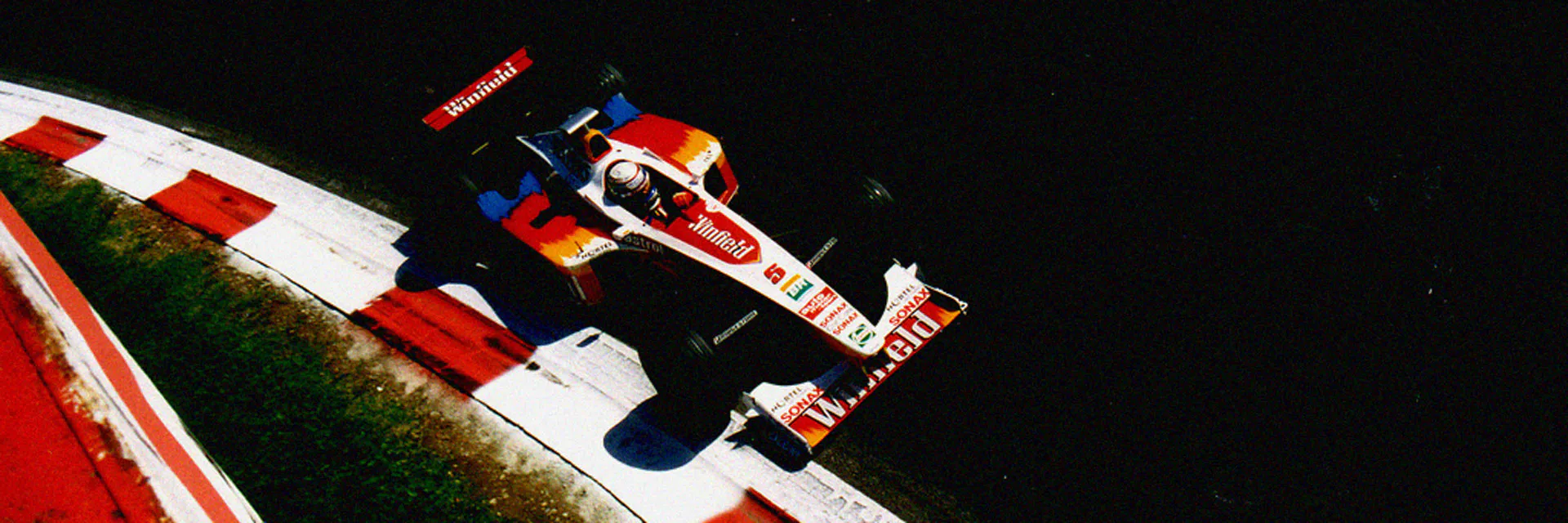
After the accident, Zanardi spent weeks in the hospital undergoing surgical procedures and critical moments. Yet, upon waking up, he found himself facing what he himself defined as a clear fork in the road: "I had two choices: give up or try to get passionate about a new project. I chose the second." He chose to look at the half of his legs that remained, not the half that was lost, as he loved to say. There was no intended heroism in this sentence, but something rarer and more human: the lucidity of someone who understands that pain is not overcome by denying it, but by going through it. And transforming it, if possible, into something else.
Five Seconds Beyond the Limit
Those who knew him talk about a man with a kaizen mindset—a Japanese term combining change and continuous improvement. A mindset that he himself, with the disarming self-irony that never left him, defined as "harder than the marble of this tombstone," already imagining what he would have wanted written on his tomb. But Zanardi's hardness was not rigidity: it was that particular form of tenacity manifested in the ability to adapt, reinvent oneself, and seek new paths when the old ones are barred.
His philosophy was condensed into what he called "the five-second rule": "When during a race you realize you have given everything, absolutely everything, hold on for five more seconds, because that's when the others can't take it anymore." It is an existential principle. An invitation not to stop a moment before what's possible, to explore that gray zone where most people give up and where, instead, the most unexpected possibilities open up. Zanardi inhabited that zone for his entire life: first on the track, then on three wheels, always with the same hunger.
The Lightness of One Who Does Not Take Himself Seriously
During a guest appearance on David Letterman's Late Show, Zanardi rested a cup of boiling tea on his prostheses to demonstrate, with disarming humor, the "advantages" of his condition. The American audience was caught off guard, then burst into laughter. It was his way: dismantling the rhetoric of disability with a laugh, refusing pity by turning it into complicity. "When you fall, you are always more likable," he observed sarcastically, "people grant you compassion, admiration, esteem. You are finally in their hands." And he did not want to be in other people's hands.
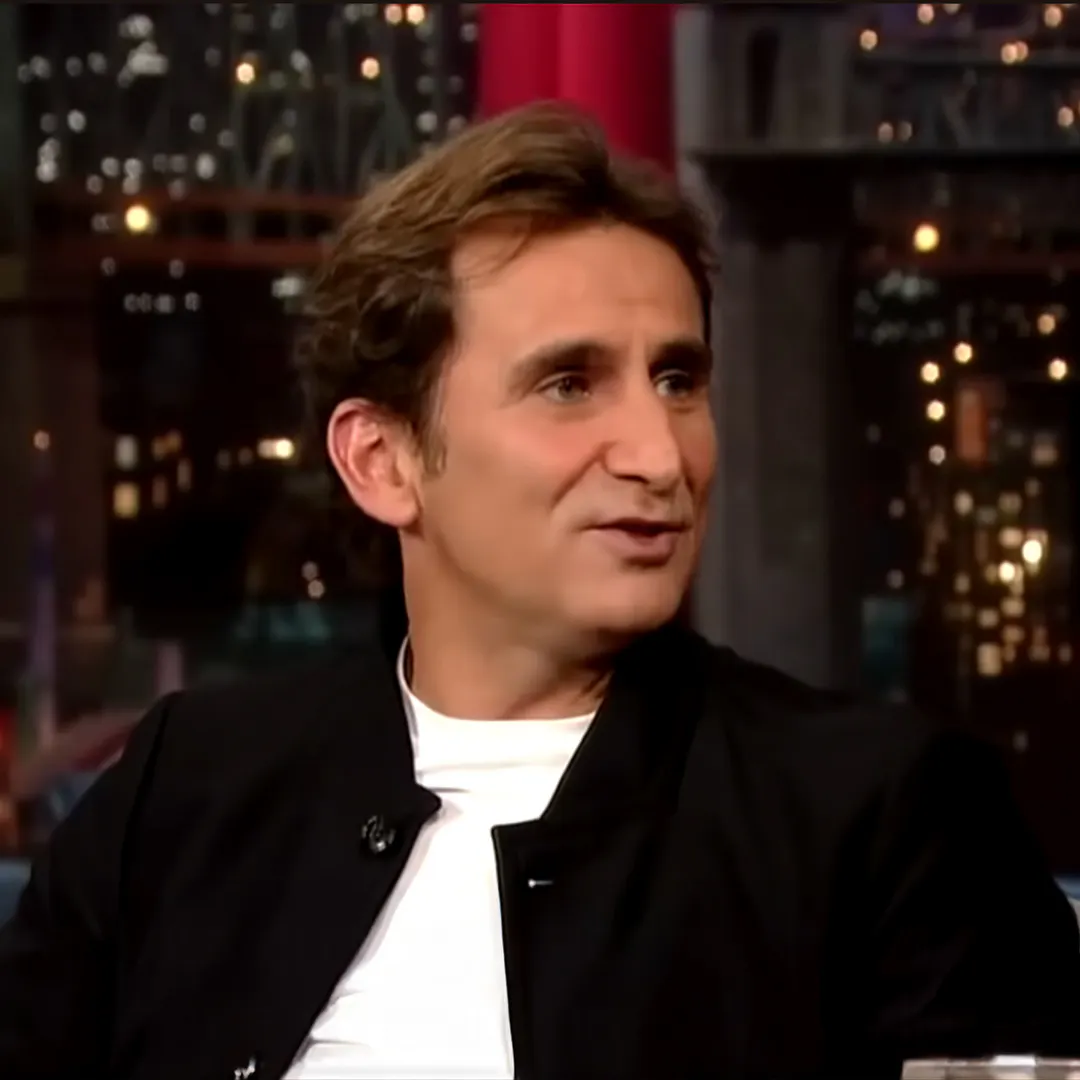
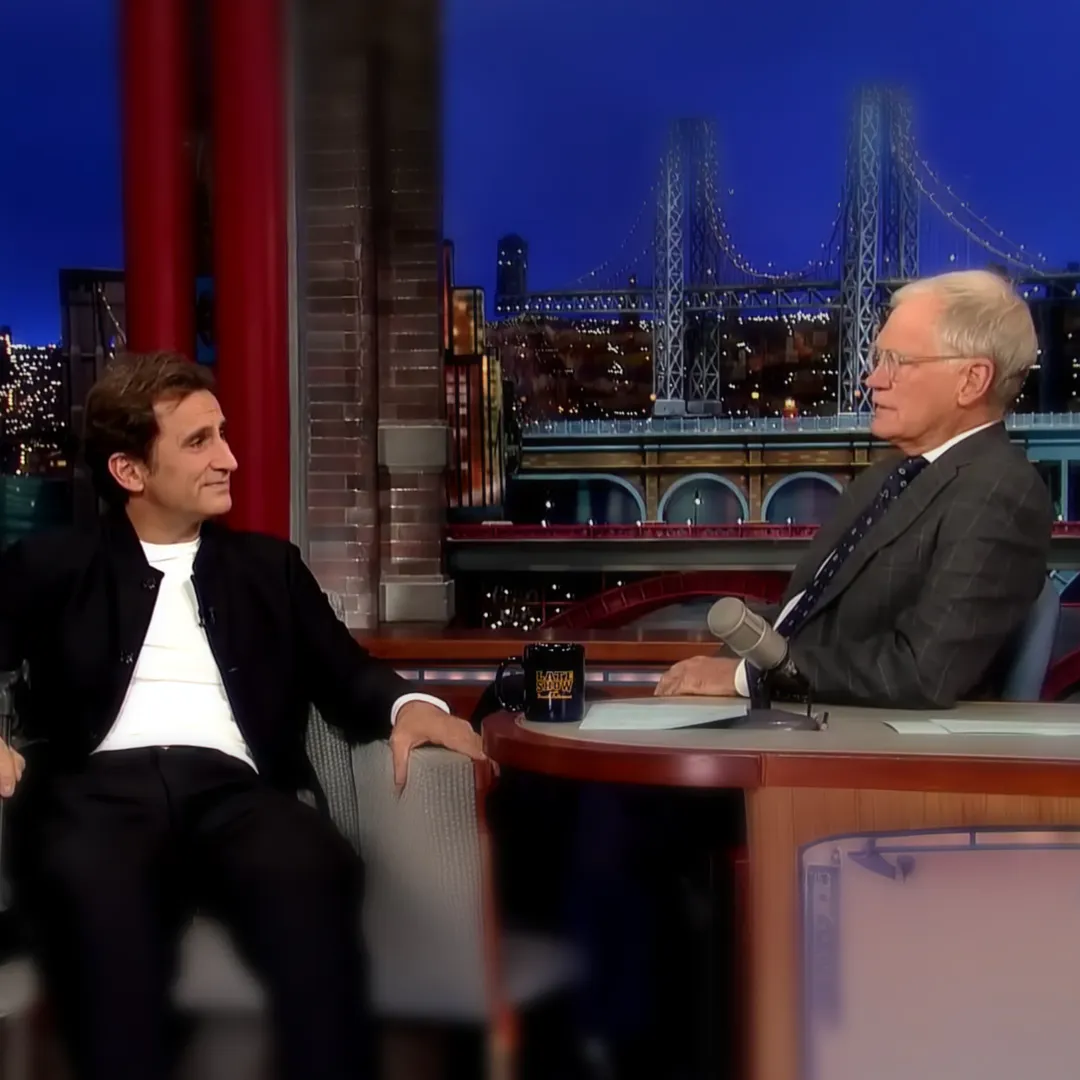
On that same occasion he added something deeper: "I believe curiosity is the only thing we need in life. If you are curious, you will find your passion. And the results you achieve will be the result of how much passion you put into your life." He spoke of curiosity as that disposition of the soul that keeps you moving even when everything around seems still. The same curiosity of the child who drew racing circuits in elementary school, recovered discarded engines to experiment in the garage, and built his first go-kart by assembling recycled materials.
From Speed to Endurance: A Paradox in Appearance Only
It is curious (and significant) that a man who had built his identity on speed found his second life in a sport requiring a different relationship with time. The handbike is not Formula 1; it is not the American CART championship with its overtaking on the edge. It is pure effort, endurance, the body conversing with itself meter after meter. Yet Zanardi threw himself into it with the same intensity, winning four gold medals and two silver medals at the Paralympics between London 2012 and Rio 2016, along with numerous world titles.
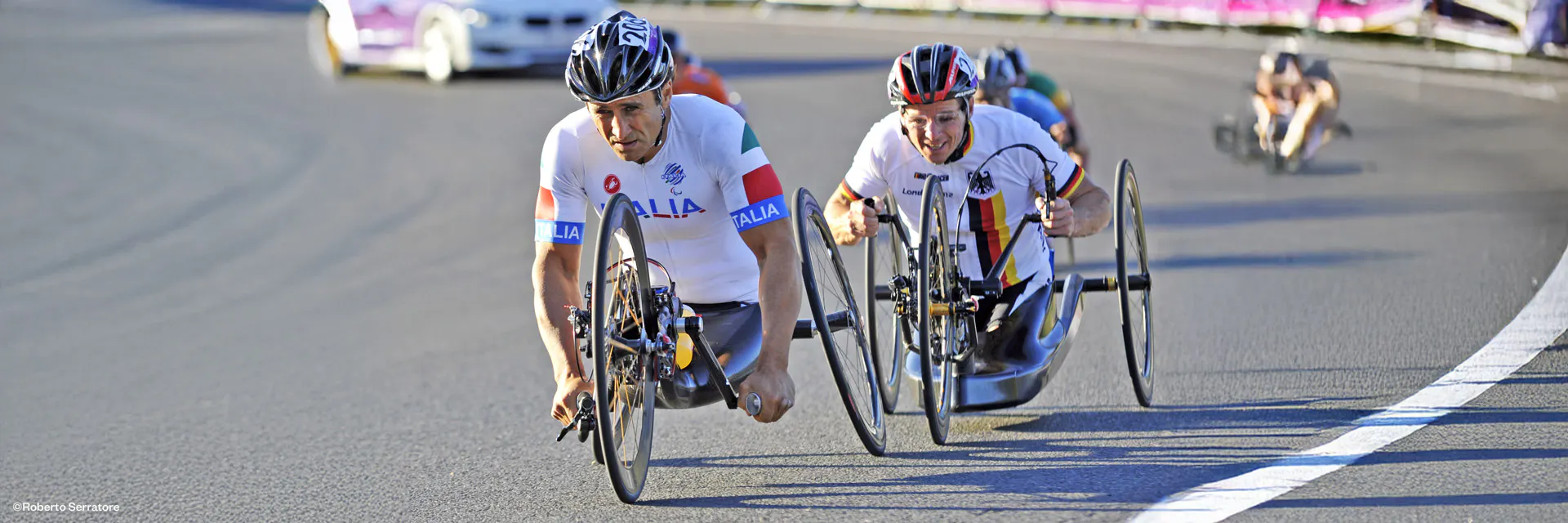
But numbers say nothing about substance. The substance is something else: the ability to redefine the very concept of normality, showing that prostheses and wheelchairs are not objects to hide, but tools to get back on the road. "On my handbike, half of Italy is pushing with me," he said with that modesty that sounded genuine because it was. "I feel that people care about me, but I didn't do anything special; I took the bike and pedaled."
The Final Silence and What Remains
On June 19, 2020, during a charity handbike relay on the roads of Siena near Pienza, Zanardi was involved in a severe road accident. Since that day, silence: years of medical care and rehabilitation, far from the spotlights, protected by the privacy of his wife Daniela and his son Niccolò, and by the dignity that had always distinguished his existence.
On the occasion of conferring the honor of Knight Grand Cross, then President of the Italian Republic Carlo Azeglio Ciampi told him: "You are a beacon for young people, and not only for them. But please, Zanardi, from now on, love yourself a little." Perhaps it is the only thing he was not fully able to do: stop, slow down, spare himself. But perhaps it is precisely this inability to surrender—to pain, to fatigue, to fear—that made him who he was.
Zanardi leaves us a simple yet dizzying question: what do we do, every day, with the half that remains? Because everyone, in some way, has lost something. We all carry scars, visible or invisible. The difference (the only difference that matters) lies in the choice: looking at what is missing or looking at what is there. And then stirring the teaspoon, always, until the end.
"I didn't want to prove anything to anyone," he repeated. "The challenge was only with myself, but if my example served to give confidence to someone else, then all the better." Alex was searching for the meaning of things. And in searching for it, he inevitably passed it on to all of us.