belong to history
Vittorio Tadei and Francesco Mutti: Growing in the World Without Losing Home
How a personal intuition becomes corporate culture. The story of Teddy, in dialogue with great Italian stories that expand globally without losing their identity

What is the history of a company made of? What threads weave its gears, and what does leaving a mark truly mean? An idea, talent, a successful product, or a conquered market are not enough. Every ingredient must be present, and everything must fit together perfectly. Companies that truly endure, those that cross generations without losing themselves, are always born from something hard to measure: a specific vision of the world, a certain way of being among people, a personal response to a vital question—the same one that sometimes keeps one awake at night. A living Dream, in short, that questions everything and accompanies us into the future.
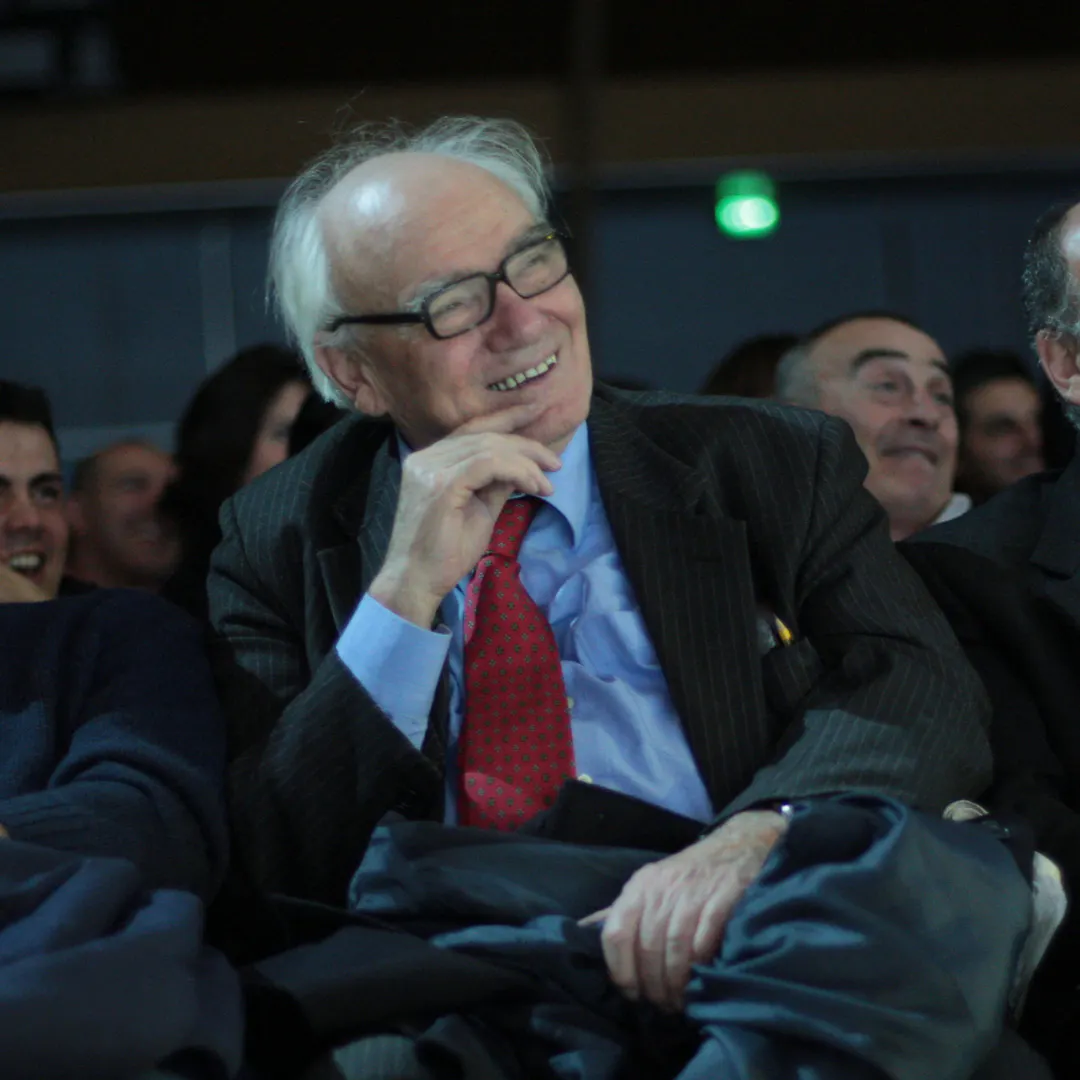
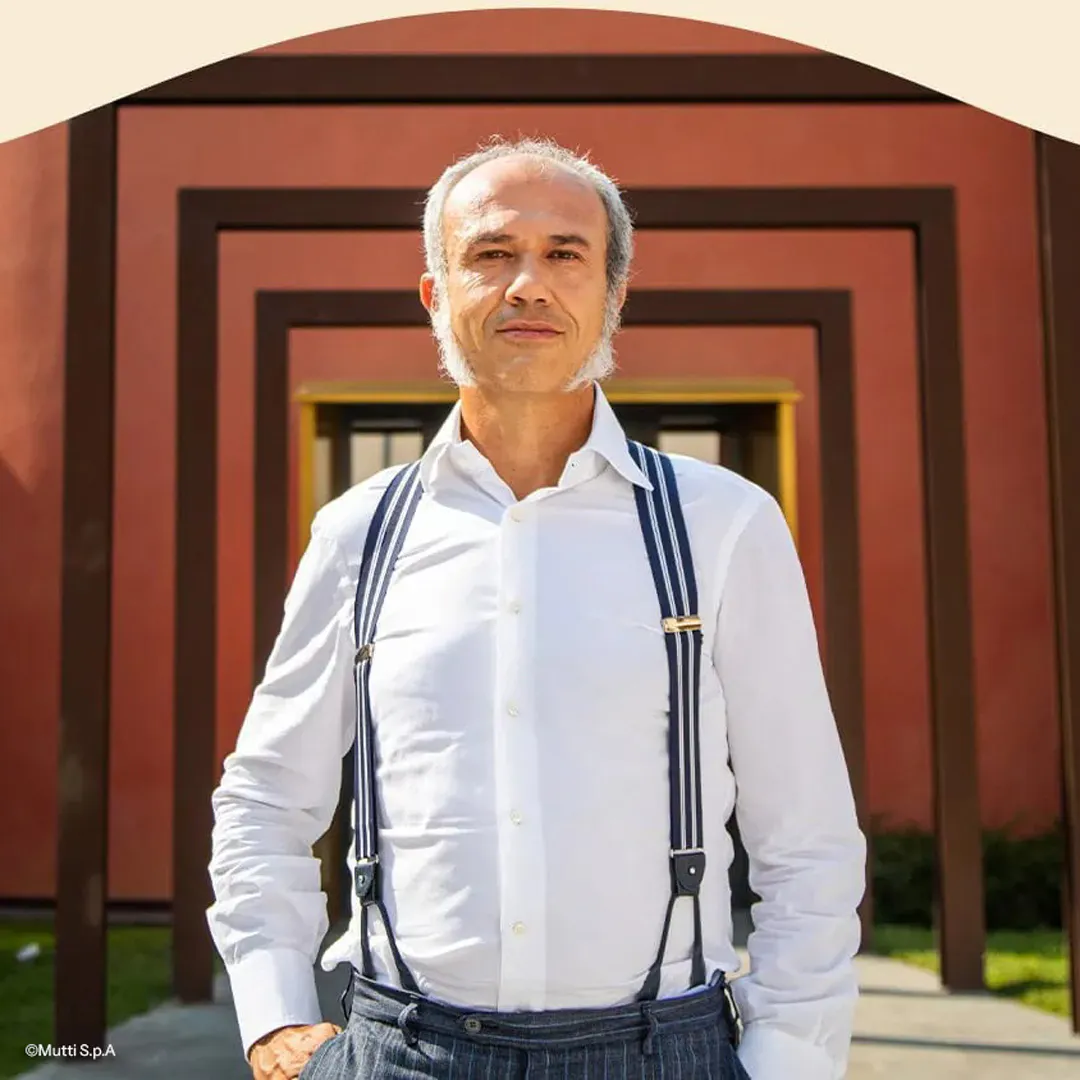
Vittorio Tadei and Francesco Mutti probably never met. Yet their stories recognize each other, like two people who have read the same books without ever saying so. One in Rimini, the other in Montechiarugolo, in the province of Parma. One in clothing, the other in the world of tomatoes. Both champions of a family tradition they chose to transform while staying true to the original intention, to the sense for which everything began.
Vittorio was a passionate young cyclist when, in his sisters' clothing shop in Riccione, he discovered an unteachable talent: an instinct for people, the ability to feel what they are looking for even before they know it themselves. Francesco became CEO in 1994. He had behind him generations of Emilian farmers who passed down a passion for tomatoes. His drive immediately focused on studying and launching new products, implementing an effective R&D center, but without ever losing his roots. Mutti conquered international markets without moving the heart of production from Emilia, making its farmers partners rather than suppliers, choosing consistency as a competitive argument when it would have been easier to streamline. The numbers prove it: 777 million euros in revenue in 2025, 60% generated by exports, with a presence in 100 countries. All this while processing over 725,000 tons of tomatoes—the highest volume in their history—in the exact same plants in Montechiarugolo.

With the same approach, Teddy opened stores in forty countries without ever ceasing to think like a Rimini-based, deeply Italian company, convinced that how people are treated is an integral part of the product.
Furthermore, looking deeper into their stories, it is clear that every achievement was—and still is—the result of the courage to take risks, even when everything seems to suggest otherwise. But what makes this courage possible? Tadei and Mutti share, perhaps more than anything else, a certain trust in reality, in the territory, in the value of work, and in the people who embrace a vision and commit to realizing it.
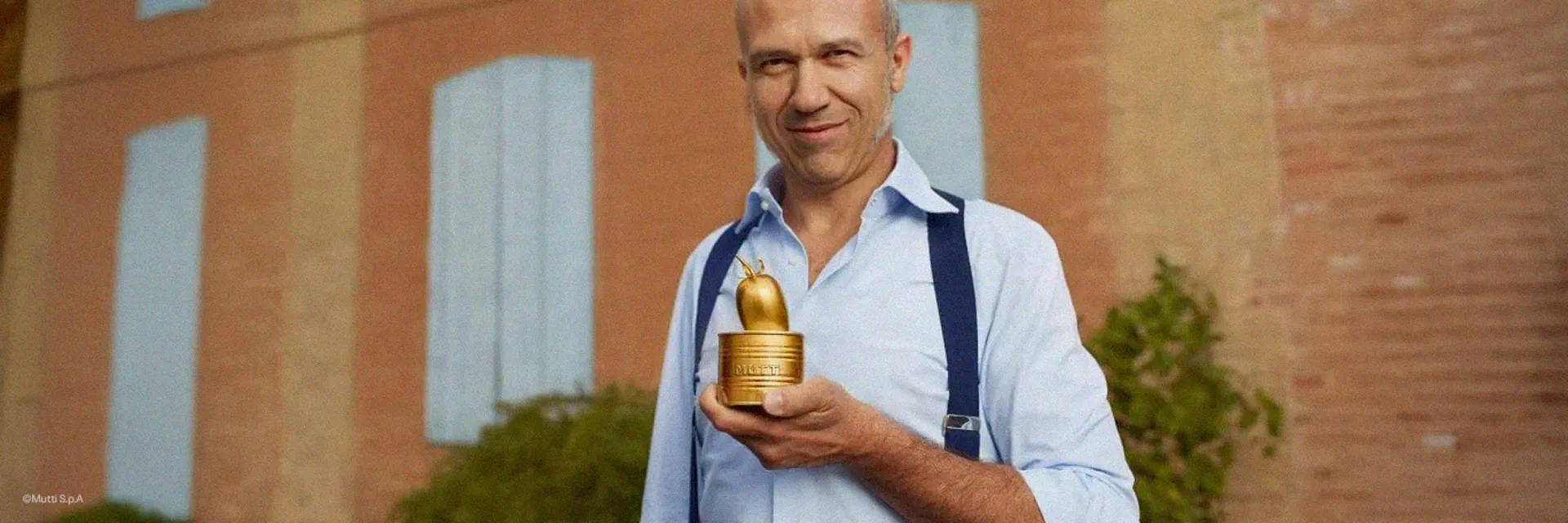
Following this conviction, in 2000, "Il Pomodorino d’Oro" (The Golden Tomato) was born—a monetary award with which Francesco chose to reward all those farmers who achieved the best results in the field by investing in quality, nutritional value, and flavor.
For his part, Vittorio put down in writing something unusual for a fashion company: a Dream. Not a mission statement or textbook vision, but a capitalized Dream composed of words both concrete and ambitious: building a company to create employment, returning part of the profits to the most vulnerable, and granting dignity to those at risk of remaining on the margins.
Great Italian enterprises that have left a mark share this trait. They did not separate economic success from responsibility toward the people inside them, toward employees, suppliers, and their local communities. They understood, sooner and better than many others, that a company with a soul is not merely more romantic—it is more solid because it knows why it exists.
Years after Vittorio Tadei's passing, Teddy Group does not look like a company that has lost its founder. The Dream he wrote is updated and adapted to the present, but never betrayed. The new purpose, "To clothe the world with beauty and welcoming warmth, fostering personal fulfillment," is the translation of Vittorio's dream into today's language. Much like Mutti, which in every can of tomato passata still carries the specific weight of a family choice made decades ago: doing one thing well, perhaps with innovation, but without forgetting one's origins.
What, then, is the history of a company made of? It is made of all the times when it would have been easier to do otherwise, and someone chose to stay faithful to something greater than immediate profit. Of roots deep enough to support growth. Of a dream solid enough to outlive the person who dreamed it first.