belong to history
Two dreams, two souls: Vittorio's gaze on reality, Federico's dreamlike world
Vittorio and Federico, born in the same land, Rimini, two dreamers. The dream meant both as the element of the cultural and existential identity of two “country men” who lived in the Italian postwar time, but also as a distinctive feature of Fellini’s movies, with a dreamlike and whimsical dimension being the key of his style.
The figures of Vittorio Tadei and Federico Fellini have in common the theme of Dream, a concept that might seem overused but that is extremely complex. If Fellini’s dream is linked to a dreamlike dimension, to a fantastic and rare world that is developed through psychoanalytic talks, Vittorio’s Dream is, on the contrary, something truly tangible, if you can say that dreams can be tangible. Vittorio Tadei was a man focused on the most tangible aspects of life and, in his dreams, always looked for the pragmatism required to build his own path every day. A path not without obstacles.
Today we know that Fellini learnt about Jung’s theories, thanks to the testimonies collected over the years, including a documentary by Catherine McGilvray, “Fellini and the Shadow”, which reveal what for years the Italian director kept secret. It was the relationship with his psychotherapist, Dr Ernst Bernhard, a pioneer in Jungian psychoanalysis who in the postwar period in Rome greatly influenced Italian artists, intellectuals and great minds of that time: Giorgio Manganelli, Natalia Ginzburg, Adriano Olivetti, Luciano Emmer and Vittorio De Seta were some of Bernhard’s patients. And Fellini himself. For Fellini, Jungian psychotherapy, psychoanalysis and his relationship with Bernhard were the fuel for the surreal visions of his movie “8 1/2”, with the reconciliatory procession of all the characters, which is rumored to have been suggested by the same psychotherapist.
As already mentioned, Fellini’s reality is based on a dream, a dream the famous Italian director dissected, analyzed and put on paper and which became a book published by Rizzoli some years ago. A unique text, written and illustrated by one of the most powerful geniuses of 20th Italian creativity. The title is “The Book of Dreams”: it is a great collection of the director’s personal diaries, starting from the end of 1960s up to August 1990, but it is also a collection of notes, sketches, ideas and drawings, which represent the written story of the puzzled mind and unknown sides of the mystery lover Fellini was. A night work, as dreams belong to the night, a literary and iconographic manifesto, almost a metaphysical one.
The same metaphysics that suddenly, unexpectedly, touched the life of Vittorio Tadei, after the sudden death of his son Gigi. Losing Gig made Vittorio discover the world of the intangible that had been hidden to him until then. He hence developed a new meaning of existence, finding the inspiration for what that will become central in Teddy future experience: the work and the entire corporate wealth will be increasingly more connected to the will to share the wellbeing created with the land and the people who surrounded the “extended” family he had been building.
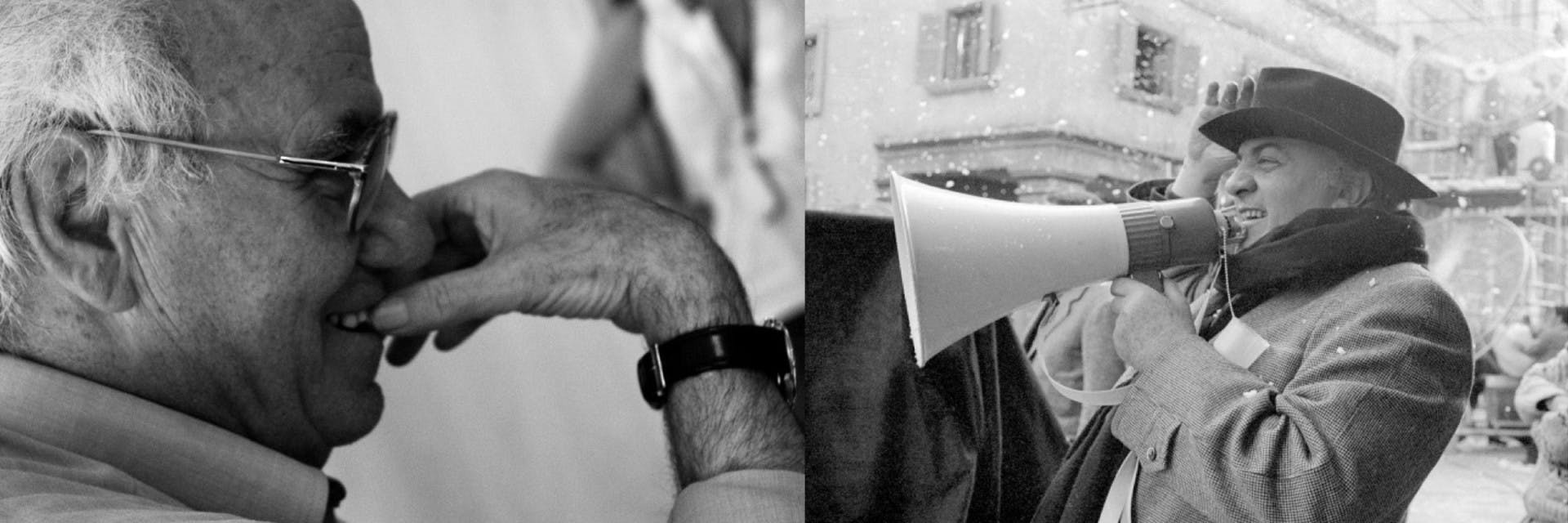
The tangible and human Dream of Vittorio Tadei is inextricably linked to the evolution and changes Rimini experienced in the postwar period. From the destroyed houses, the death of loved ones and the extended families who had to share everything, until the years of the Italian economic miracle, Rimini Riviera was the muse and a constant inspiration to Vittorio. It is just in Rimini, the town where tourists rushed from all over Europe, the welcoming and sensual town during the 1950s and 1960s, that the first store was opened and from which, later on, the idea of the big Teddy would be shaped up, thanks to Vittorio’s innovative genius.
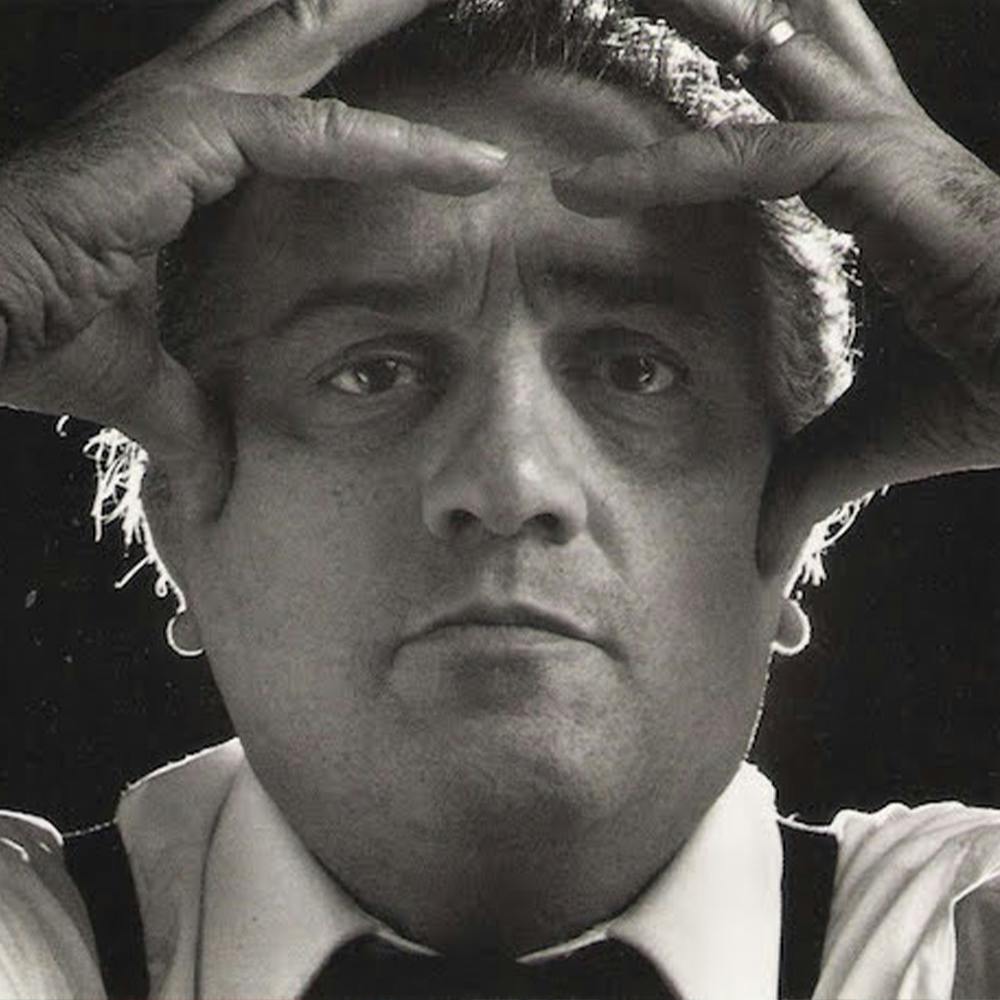
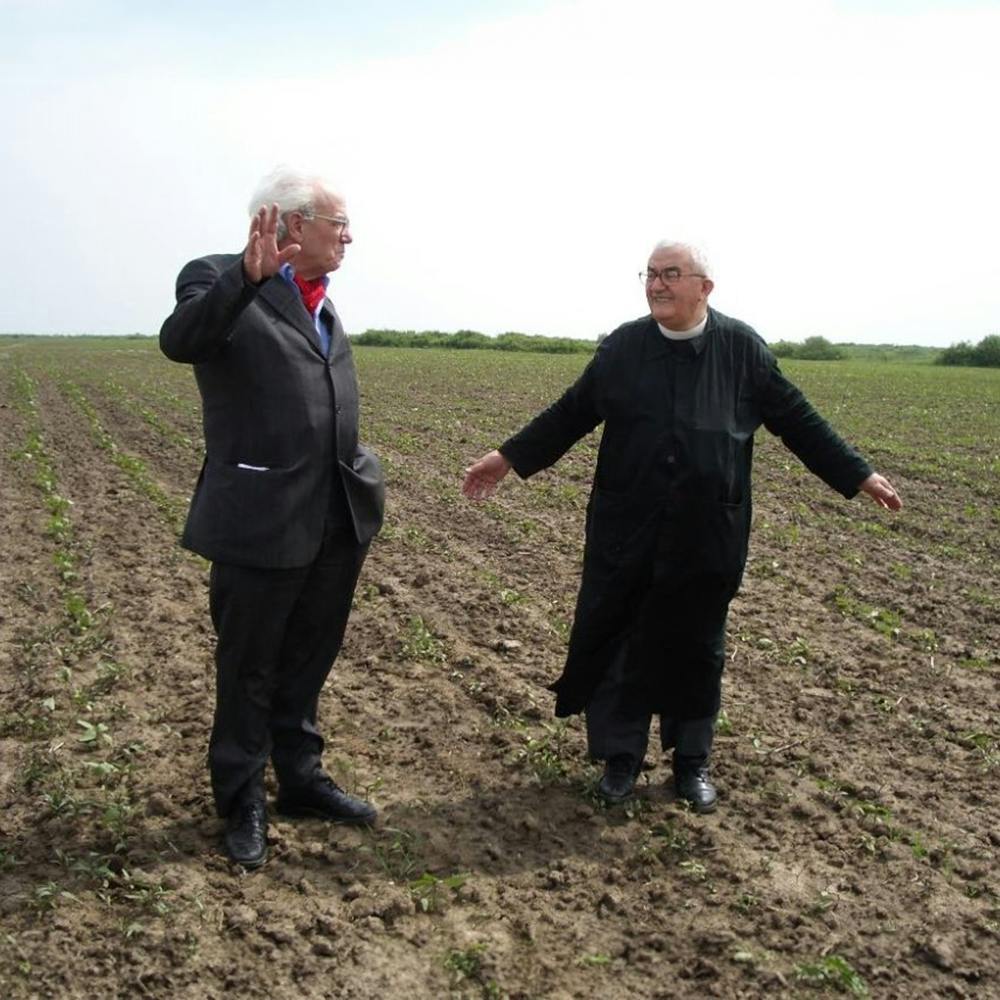
The same creativity stemming from that historical time that Fellini described as follows: “After the war Rimini people founded Rimini for the second time, they built it free… it is constantly created and dismantled”. The same town of Rimini the director would tell about through his camera: from the Palata, the dock on the ancient port, captured in the movies “I Vitelloni” and “Amacord”, Fulgor movie theatre, where Fellini saw his first movie, “Maciste all’inferno” and discovered the magic of the 7th art, to the Grand Hotel, a symbol of the Belle Époque and of young Federico’s forbidden desires, featured again in the movie “Amarcord”. The Rimini Fellini called “a mess, confused, fearful, tender, with its wide breath, the open space of the sea”. Rimini which represented for both Vittorio and Federico, in a dreamlike way or not, a piece of life, a place of the soul, the land of dream.