belong to world
The Power of participation: When the public makes the company great
There are business stories that leave a mark because of the impact they have on culture and people: the story of Michelin is one of them. But what does it have to say to us at Teddy Group?

First of all, looking at Michelin’s history reminded us that in a company’s life nothing is ever taken for granted, and the only real risk is to fool oneself into thinking that change will never be necessary. But let’s take a step back and try to retrace together the stages that made the tire company so fascinating for those of us in fashion.
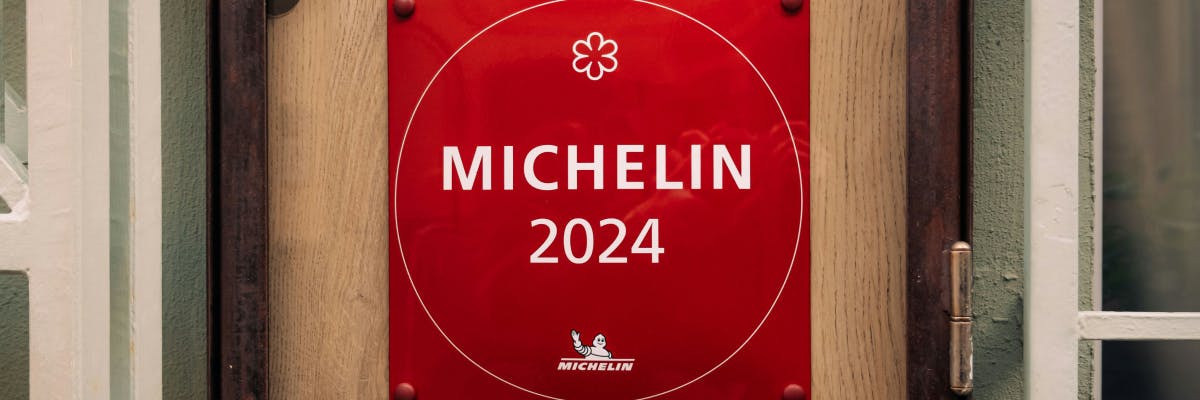
When the Michelin Guide was born in the first half of the 20th century, many people familiar with the company as one of the most renowned tire manufacturers raised their eyebrows — or rather, they were astonished beyond measure — because the connection between rubber and fine dining didn’t seem obvious to anyone. And indeed, it wasn’t. But that wasn’t the point. The company’s goal was to encourage people to travel, to cover long distances, and Michelin did this by following the greatest teaching of Antoine de Saint-Exupéry (author, among other works, of The Little Prince): “If you want to build a ship, don’t first call people to gather wood and prepare tools; don’t assign tasks, don’t organize the work. But first awaken in men the longing for the distant, boundless sea. Once this thirst is awakened in them, they will immediately begin to work on building the ship.”
Thus was born the Michelin Guide, a project based on the desire for discovery, the pleasure of novelty, taste, and beauty. Once these little desires were awakened in people, they became the engine for curiosity and, consequently, for the company. At first, the guide offered useful information: service stations, garages, hotels. Then came restaurants, reviews, and the famous stars. The guide became a cultural phenomenon, so much so that it became better known than the product from which it originated.
The ingredient of success was, and still is today, quite simple: making people protagonists in the company’s mission and goals. And it is this part of the story that intrigued us most and challenges us every day. Michelin understood that building an authentic link based on trust could move people — and the guide had become a dialogue, a way of saying “we listen to you, you are part of us.”
We strive to make this idea a value not only towards the people who choose to wear our garments but starting with the colleagues with whom we share everyday life in the office. The idea that made Michelin great is also the key that guides the way we do business: believing in the power of sharing, in the value of people, and in the strength of community.
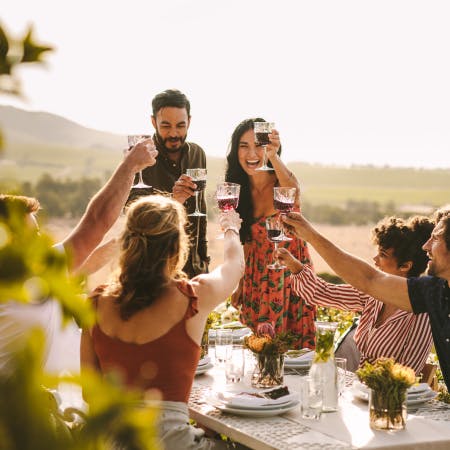
This is how we have learned to value moments of sharing that range from a simple lunch to our Teddy Happening, through making one of our colleagues — passionate about athletics — the face of one of our campaigns around the world.
In short, we have tried to take one step further than Michelin: making the experience of hospitality and sharing a real commitment that starts from within — from the smallest space in our offices to new colleagues and those who have been with us since day one.
This is the way we want to look at our reality and the territories in which we operate, engaging in dialogue with communities and building relationships founded on inclusion and sharing. This is our bet: making our story a shared story, where anyone who meets us has the chance to feel part of something bigger.