belong to history
From Rimini to Alba: the silent architecture of Italian family businesses
From the local territory to a global vision, stories of Italian family businesses that unite deep roots and international growth, transforming local insights into systems capable of lasting over time.
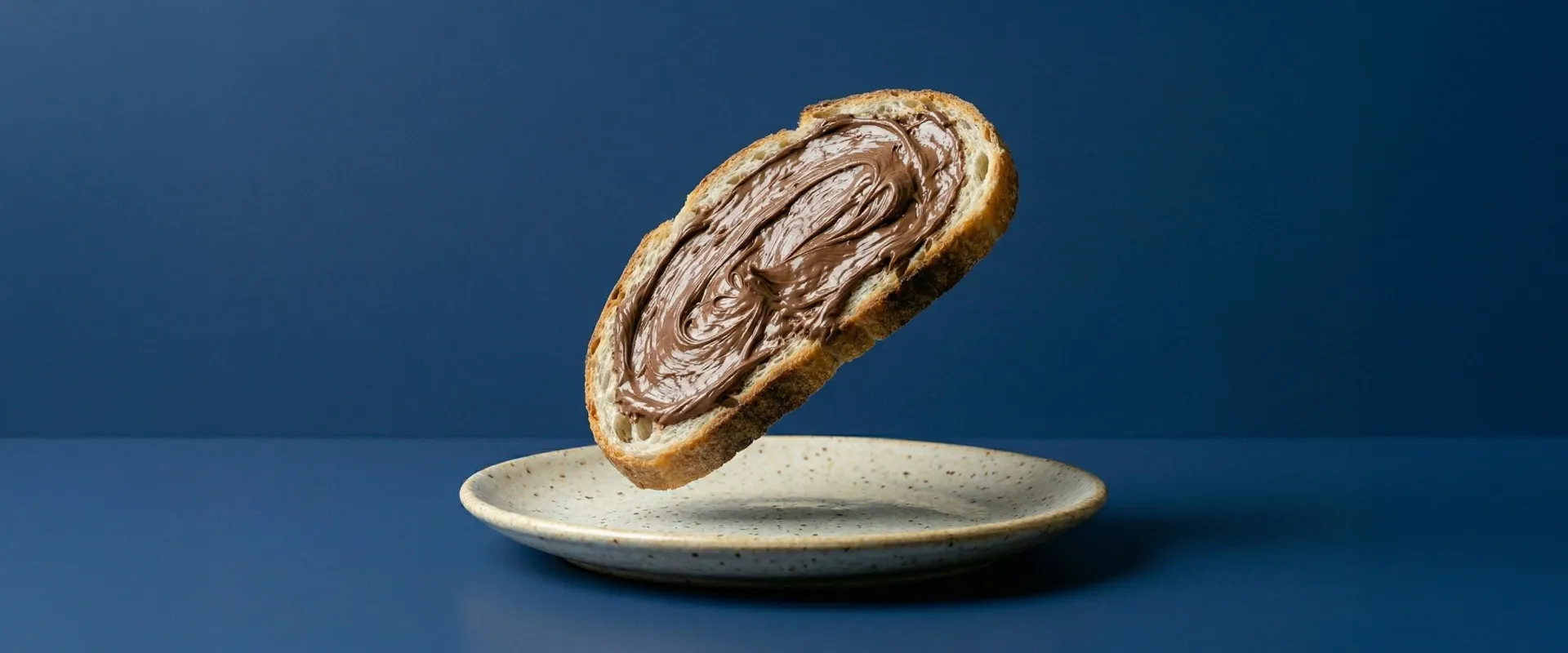
They began by looking around at their own territory, believing in something that could make a difference. From there, brick by brick, they created a business destined to grow and be passed down through generations. Not simply an economic activity, but a family project.
According to the Global 500 Family Business Index 2025, Italy ranks fourth in the world and third in Europe for the number of family businesses among the top 500 globals. The Italian companies included in the research generate combined revenues of 179 billion dollars, with a growth of 12% compared to 2023. Furthermore, there is an element that distinguishes the Italian model: longevity. 36% of the Italian companies present have over one hundred years of history. This means having moved through wars, economic crises, technological transformations, and market changes while maintaining continuity and clarity, surely with a few aftershocks along the way.
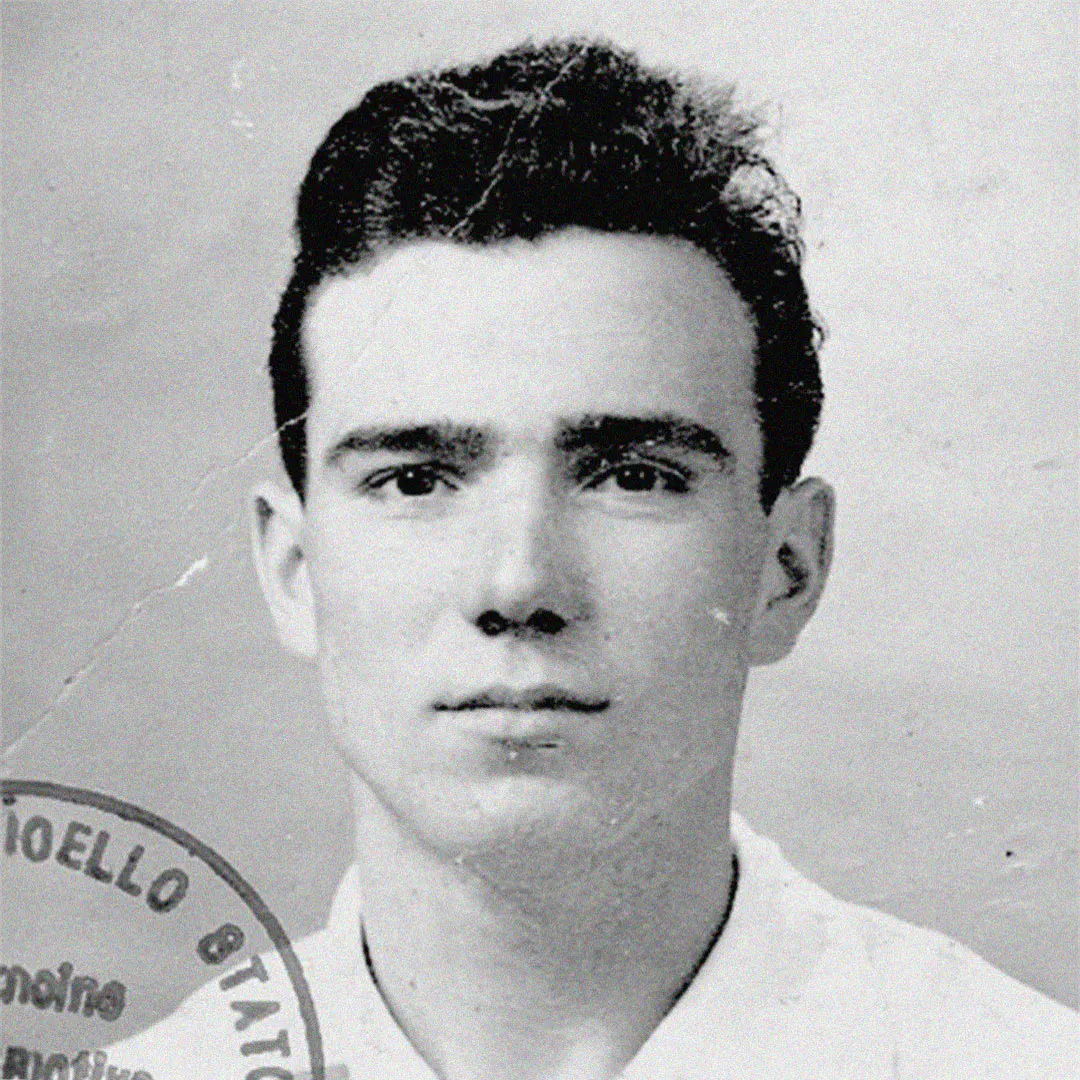
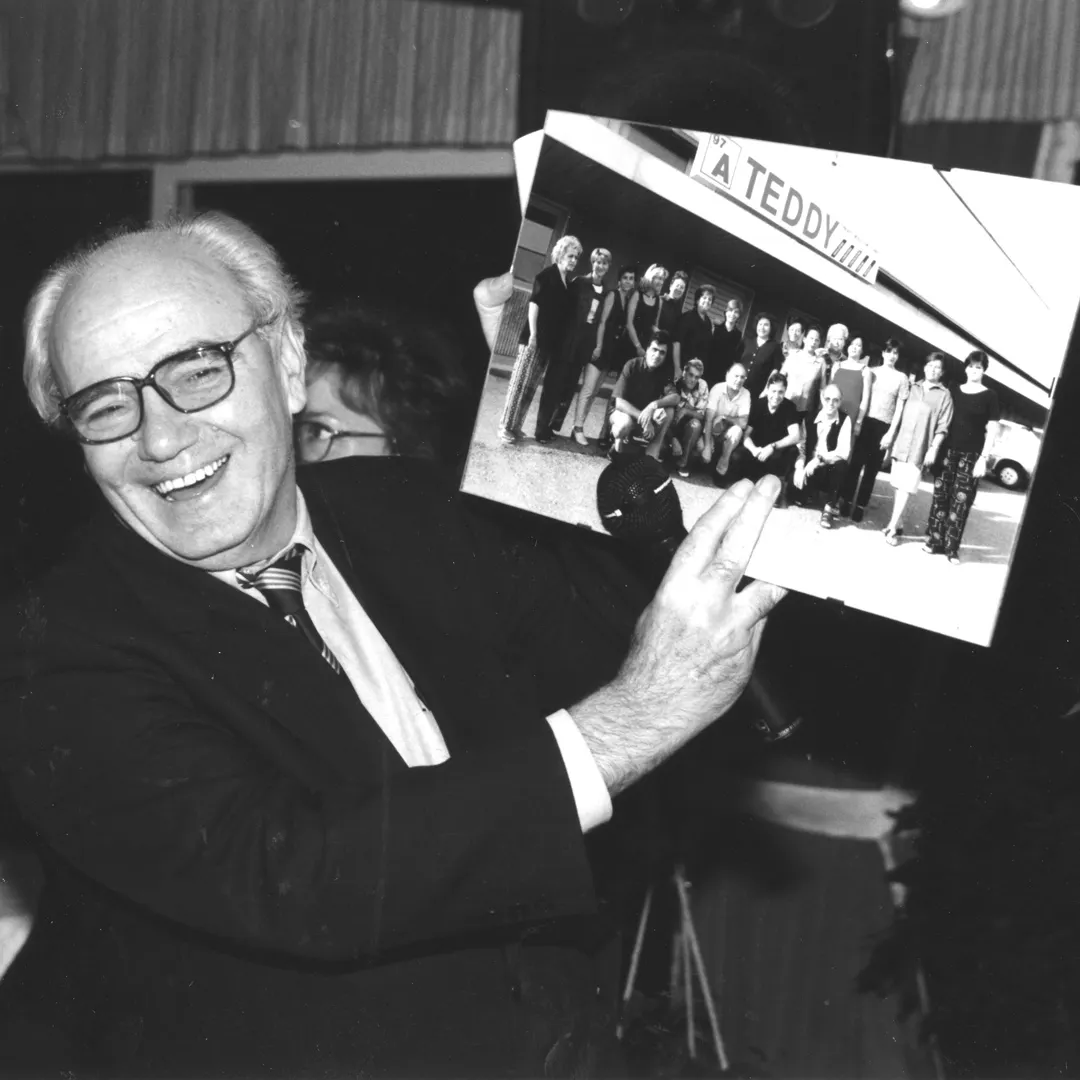
It is within this scenario that the story of the Teddy Group fits. When Vittorio Tadei founded the company in Rimini in 1961, Italy was experiencing a season of economic expansion and social transformation, the so-called economic boom, which brought various changes throughout the peninsula. Tadei entered this phase of industrialization with a clear idea: to build an organized business that could last 500 years, capable of growing in a structured way, making fashion accessible, and having a positive impact on the territory. The goal, in fact, was not just to sell "much and well" but to create a reality that produced work, dignity, and opportunity for people: a Dream that was not only economic but human. The same Dream that still guides Teddy’s corporate culture today.
It is precisely this ability to transform a local intuition into industrial architecture that Teddy shares with other great stories of Italian family entrepreneurship.
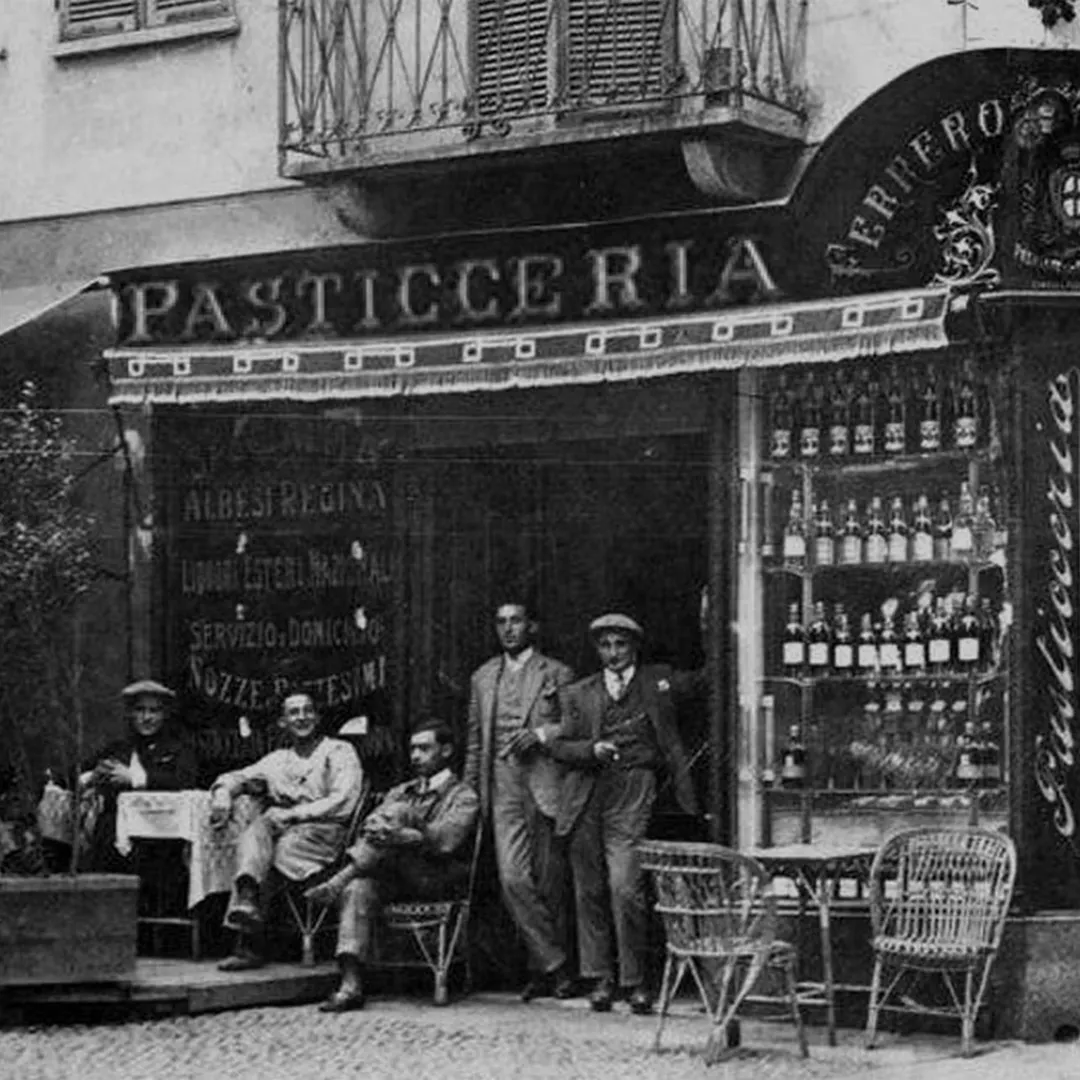
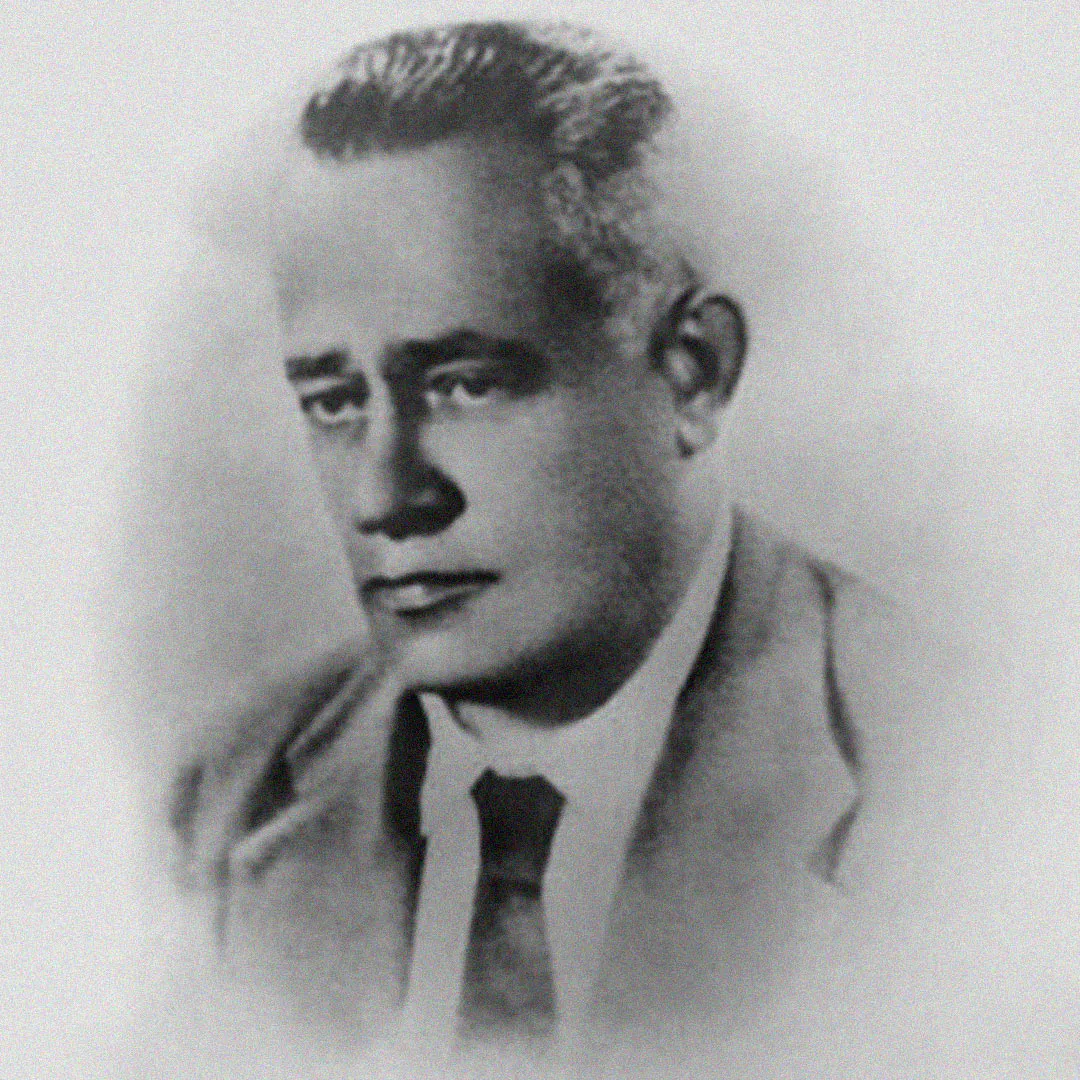
Among these, Ferrero represents one of the most emblematic cases. Here too, everything begins in the province, in Alba, Piedmont, in 1946, with the intuition of Pietro Ferrero. In an Italy still scarred by war, the choice to value an accessible raw material in the territory like the hazelnut made the difference. There are two protagonists here: Pietro, nicknamed "the scientist" by his friends for his continuous experimentation in the laboratory, combined the search for the perfect product and flavor with a clear industrial vision. Beside him, his brother Giovanni built the commercial network that allowed the company to structure itself and grow.
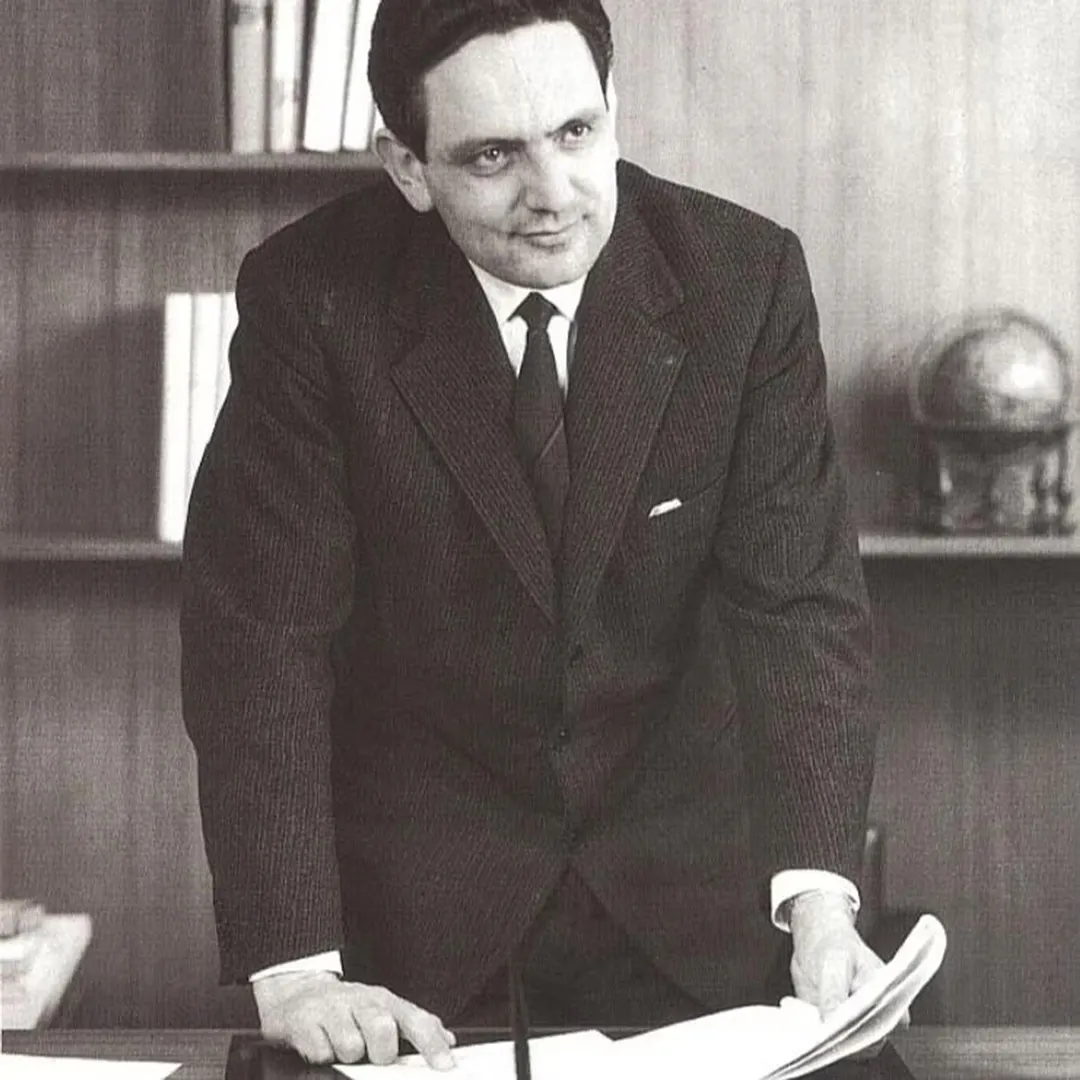
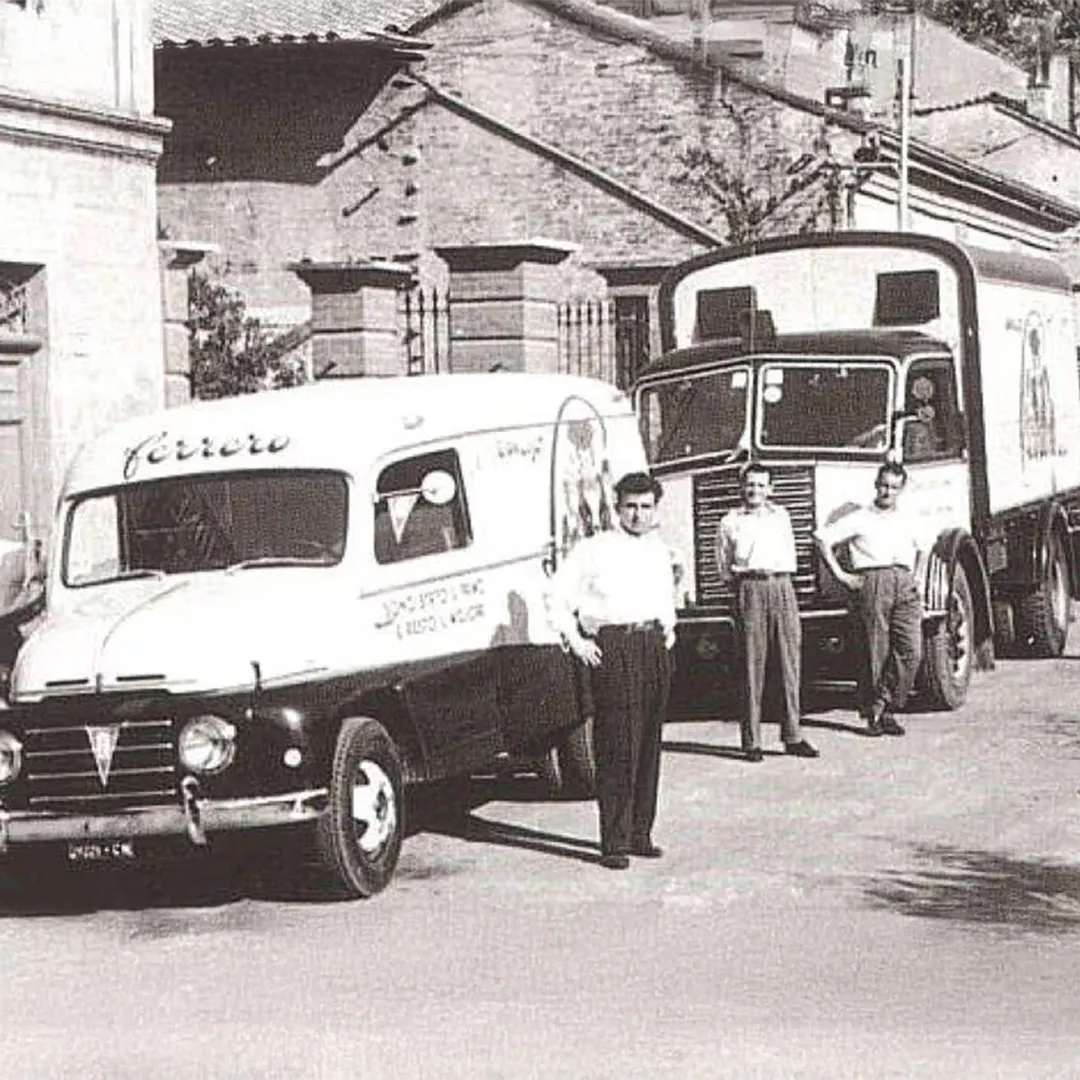
With Michele Ferrero, the company then made the global leap. Today, the Ferrero Group is one of the largest confectionery companies in the world, with over 35 iconic brands sold in over 170 countries and more than 47,000 employees. Yet, international growth never meant abandoning Alba. Ferrero, in fact, chose to maintain the production heart in the Langhe with a precise objective: to provide stable work for the families of the territory. In an area that had known emigration and precariousness, the company contributed to creating widespread well-being, services, and social stability. Not just employment, but an ecosystem: corporate welfare, attention to employees, and investments in the territory, bringing the business into the community. Among the most important initiatives, we recall the Piera, Pietro, and Giovanni Ferrero Foundation, born from a specific idea of Michele’s: the business does not end at the production perimeter but accompanies people throughout their life journey. In this context, the Ferrero Seniors community was born, still celebrated today with a day dedicated to those who have spent 25, 30, 35, or 40 years in the company.
It is precisely through these initiatives that internal culture becomes decisive and shows us how important a family vision passed down through generations truly is. It is no coincidence that the group continues to reiterate: "We were born as a family business and we still are."

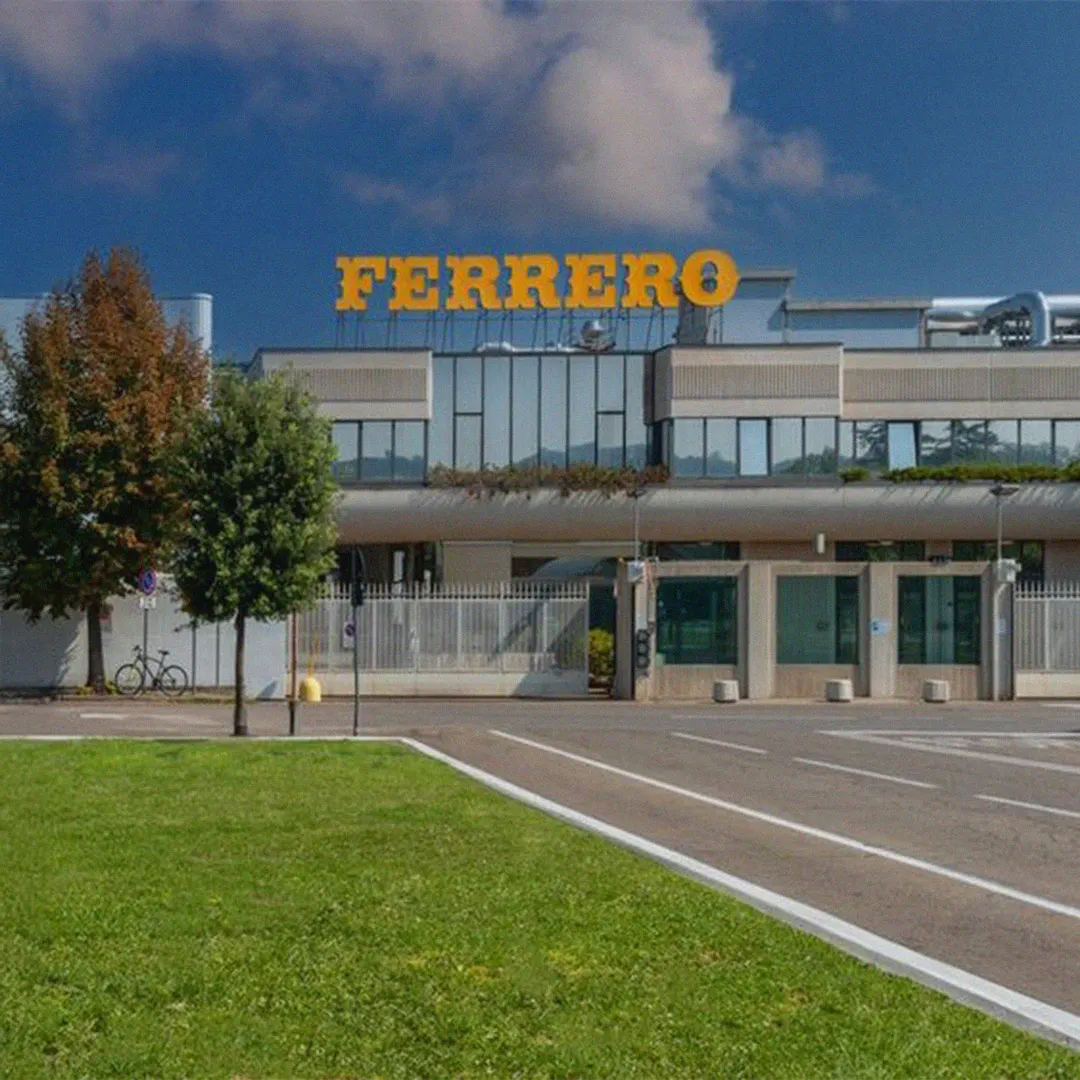
The parallels between the two stories are therefore evident. Firstly, the territorial rooting: Alba and Rimini are not industrial hubs, yet both the Teddy Group and Ferrero remain anchored to the territory where everything began. Secondly, the internal culture: the family is not just the owner, but the guardian of values, processes, and organizational models that allow the business to grow while maintaining identity and consistency despite the numerous challenges faced over the years. These also have a social impact on the communities to which they belong. Finally, the capacity to innovate and a particular attention to people. The Teddy Group also has its own foundation, the Gigi Tadei Foundation, which promotes social works in Italy and around the world to help young people and the most vulnerable find their way.
There are common traits on a human level as well. The entrepreneurial curiosity of Pietro Ferrero and that of Vittorio Tadei. The will to innovate without clamor. The discretion, away from the spotlight, which places work at the center rather than narrative. A leadership rooted in facts even before words.
Ferrero therefore represents a reference model. Not only for its size—which remains very different compared to Teddy’s—but for the ability to combine global growth and local rooting, economic results, and social responsibility.
In short, looking around, starting from one’s own territory, believing in an idea: this is how many Italian family businesses are born. But what really makes the difference is the ability to transform that intuition into a system that does not forget its own roots.