belong to everyone
"Between the via Emilia and the West"
The Emilia-Romagna singer-songwriter tradition as a key to interpreting our "Belong": the Via Emilia, home to a unique cultural phenomenon.
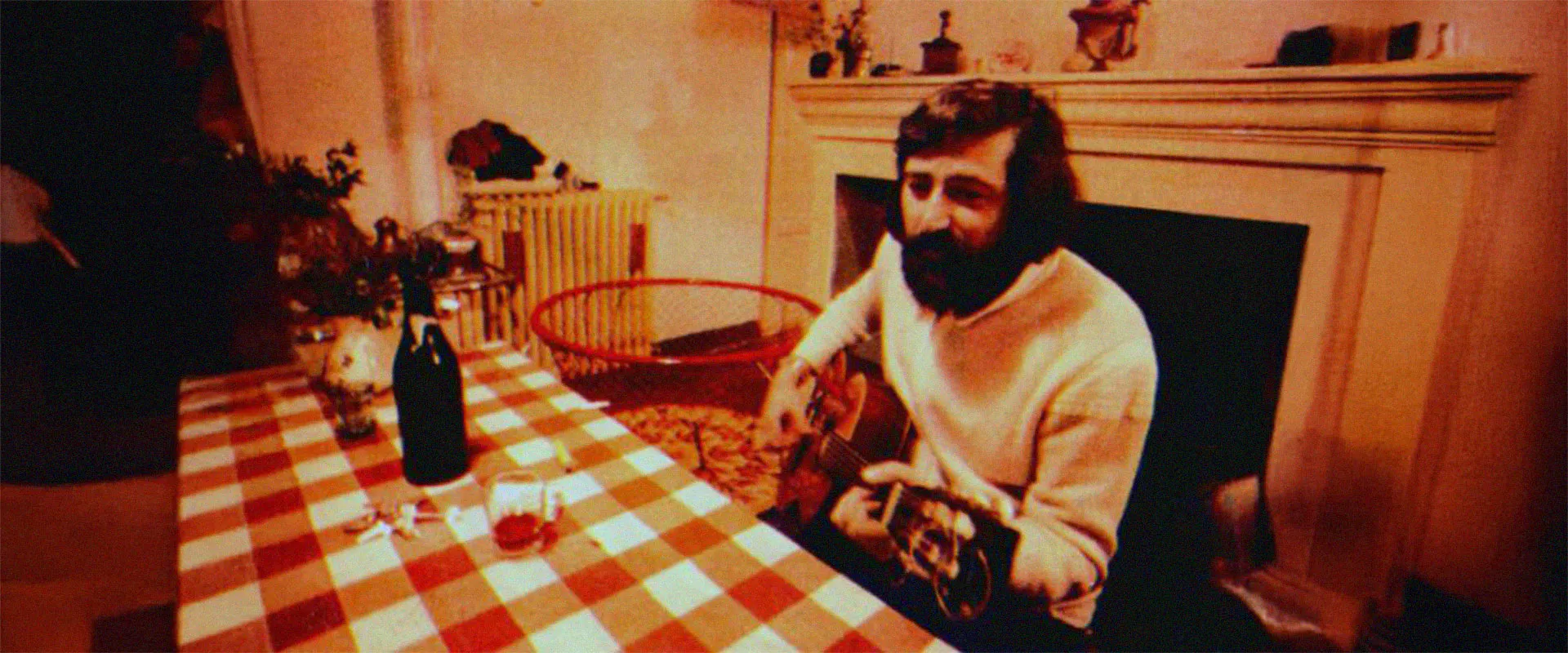
Okay, let's get one thing straight right away: the story that follows must necessarily start from a basic premise. While not considering Emilia and Romagna as the exact same territory, it regards them as deeply interconnected, crossed by socio-historical-cultural phenomena that are not dissimilar—a macro-region that, when it wants to, knows how to speak the same language. So, for once, let's set aside local rivalries (even if, let's admit it, they are the spice of Italian identity) and let ourselves be guided through this story that, in one way or another, speaks about us too: Emilians, Romagnols, Italians, Europeans.
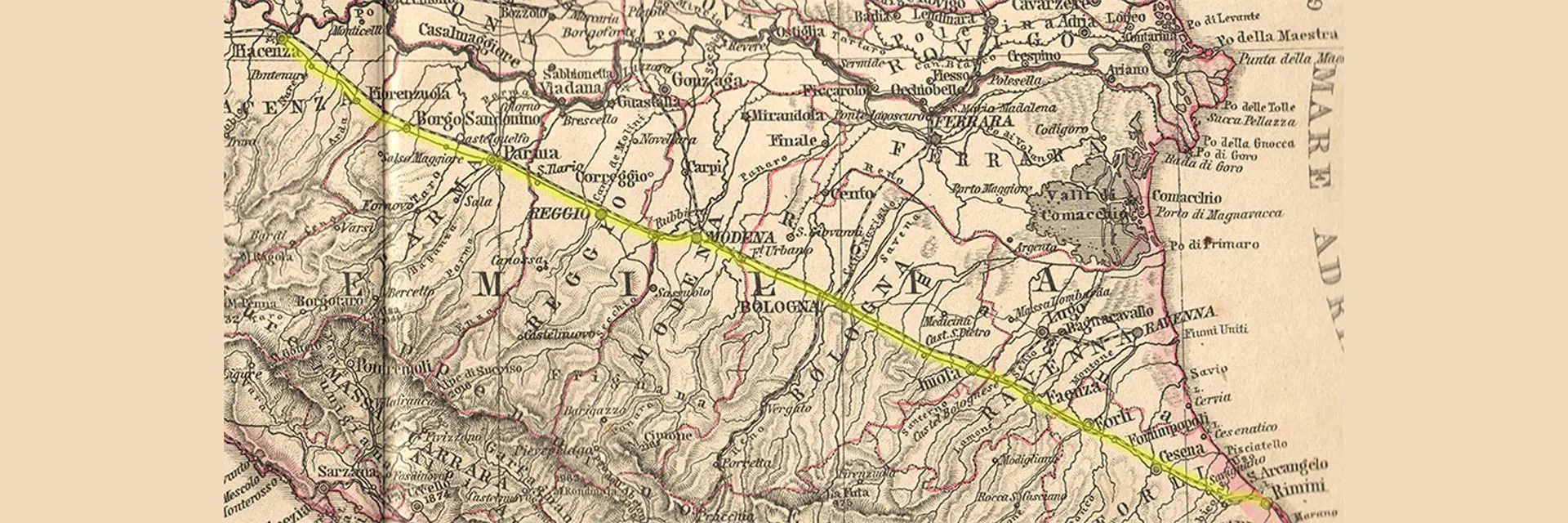
And to do so, what better way than starting from the Via Emilia—the road that, from ancient Rome onwards, connects Rimini and Piacenza, running through all of Emilia-Romagna? A fundamental artery that, in fulfilling this connecting role, holds together cities, provinces, countryside, factories, taverns, universities, suburbs, dance halls, stations, porticoes, plains, and the Apennines. A socio-cultural backbone even before an infrastructural one.
It moves through (and helped generate) one of the most fertile post-WWII ecosystems from all points of view. We ourselves, as the Teddy Group, are children of the entrepreneurial side—born from the intuition of our founder, Vittorio Tadei, to open the first store right in Rimini during the 1960s, at the height of the economic boom.
But as mentioned, this is only one side of the coin ideally representing our story; the other is cultural. More specifically, musical. Even more detailed, this is the story of how and why one of the most fertile and important Italian (and European) cultural constellations arose right from this land—a movement conveniently labeled as "Canzone d'autore" or the singer-songwriter tradition.
The title, "Fra la Via Emilia e il West" (a line by Francesco Guccini, one of the most prominent figures of this artistic movement, from the song "Piccola città"), expresses its core underlying idea: the "small town" Guccini sang about is Modena, one of the geographic and cultural epicenters of the Via Emilia. And the West is a mythical space, a frontier, an elsewhere, a desire for escape, a possibility. The deeply Emilia-Romagna desire to broaden one's gaze, starting from the province to then make a mark on the world, thanks to hard work, originality, and talent. And that is exactly what happened for many of the economic, social, and cultural entities born in this region.
Have you ever tried listing—even roughly and incompletely—the singer-songwriters who, starting from various areas of the region from the second half of the 1960s to the present day, have established themselves on the Italian music scene? The list is impressive in both quantity and quality: Francesco Guccini, Lucio Dalla, Vasco Rossi, Ligabue, Zucchero, Cesare Cremonini, Claudio Lolli, Samuele Bersani, Luca Carboni, Pierangelo Bertoli, I Nomadi, CCCP, as well as Stadio, Alice, and Vasco Brondi, to name just the most representative. Not to mention the large presence of great male and especially female performers (i.e., non-writing singers): including Gianni Morandi, Raffaella Carrà, Nilla Pizzi, Laura Pausini, and Nina Zilli.
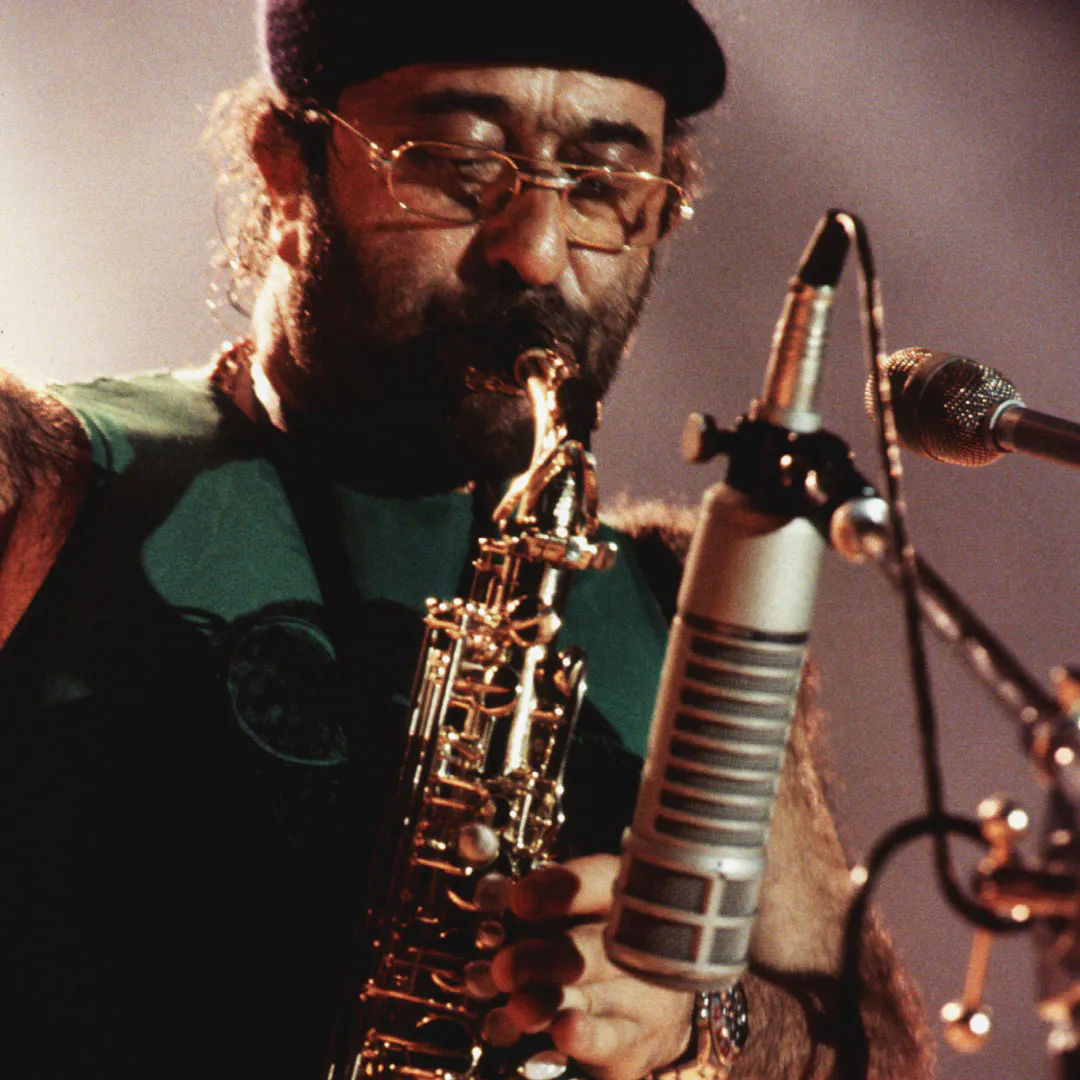
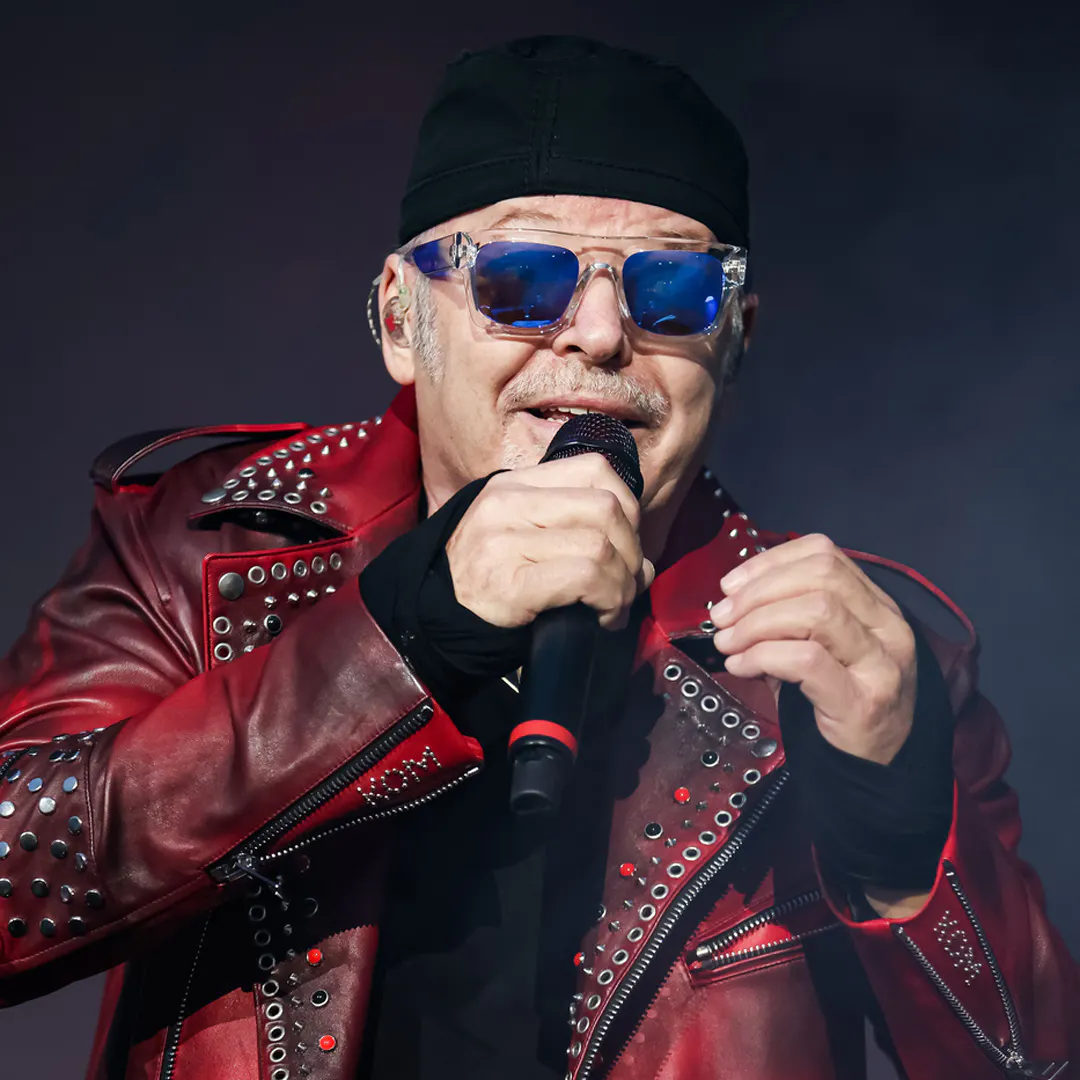
Each with different nuances, sure, personal styles and influences, but all united by the same geo-cultural background and a sense of territorial identity and belonging that they all express differently in their poetics. Yet they do so without sterile closed-mindedness, embracing distant influences and crossover styles instead. Think of Dalla starting as a jazz musician; Zucchero engaging with Blues, Soul, and Gospel; Guccini looking to American literature and music; Vasco and Ligabue embodying homegrown rock; or CCCP directing their political-cultural gaze Eastward while reworking Punk and Post-Punk codes alongside the thriving 1980s Bolognese music scene, which included Skiantos, among others. Here is the West we evoked earlier: an imaginary and concrete space toward which a gaze aspires, yet one fiercely anchored in its own roots, identity, and sense of belonging.
Of course, none of this came out of nowhere. While individual talent always remains something mysterious, unique, and hard to explain, it is equally true that certain talents grow better in some soils than others. And post-war Emilia-Romagna was a particularly fertile soil in that regard. A region shaped by reconstruction, the economic boom, industrialization, and new forms of work and enterprise, but also by a powerful culture of participation. In these parts, politics was not merely an institutional or ideological dimension, but a daily, popular, almost physical reality: community centers (case del popolo), cooperatives, party branches, clubs, festivals, squares, taverns, theaters, universities. Places where people met, discussed, split opinions, argued, and sang—where they learned to give weight to words. Everything was political. Everything belonged to the Polis, in the ancient Athenian sense.
And that is precisely the point: the singer-songwriter tradition needs a community that knows how to listen. It needs an audience, of course, but above all, context. A common language to fit into and from which to try and evolve. In the second half of the 20th century, Emilia-Romagna offered exactly that: a social ecosystem where culture was an integral part of daily life—high and low culture meeting and giving rise to new artistic forms, including canzone d'autore. Music could be born in a tavern, a theater, a pirate radio station, a university lecture hall, or a provincial bar, but it almost always found a venue to echo in, be debated, shared, and made one's own. It is no coincidence that over the years, many of these songs became generational vocabulary, collective memory, and a way of being in the world.
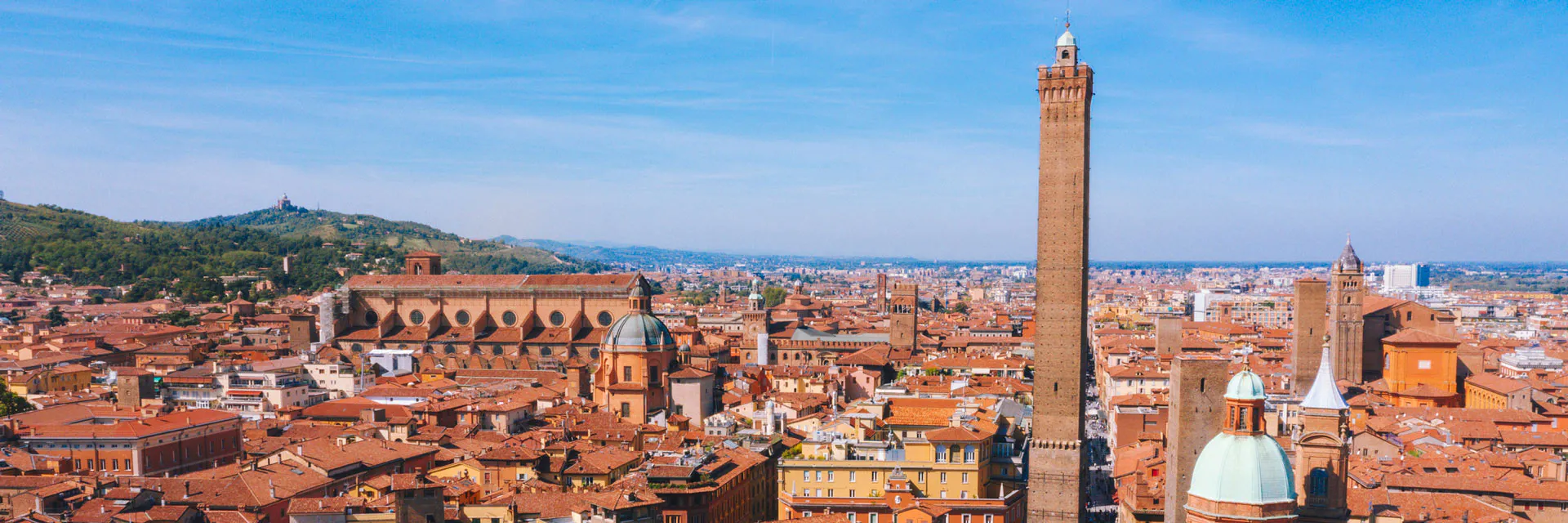
In this geography, Bologna occupies a special place. Not because it exhausts the narrative on its own—far from it, as that would be unfair to Modena, Reggio Emilia, Zocca, Correggio, Sassuolo, Rimini, the Lowlands, the Apennines, and all the places that contributed to this story. But Bologna was, and to some extent remains, a kind of great cultural magnet. A city large enough to attract people, ideas, and experimentation, yet small enough to allow for everyday encounters. Home to the world's oldest university and one of the most multicultural, the DAMS arts faculty, free radio stations, jazz clubs, student movements, and porticoes; built on endless nights, infinite debates, and that distinct Bolognese ability to hold together intelligence and goofing off, depth and lightness, commitment and disillusionment. Dalla, Guccini, Carboni, Bersani, and Cremonini know this well, having absorbed all of Bologna's genius loci.
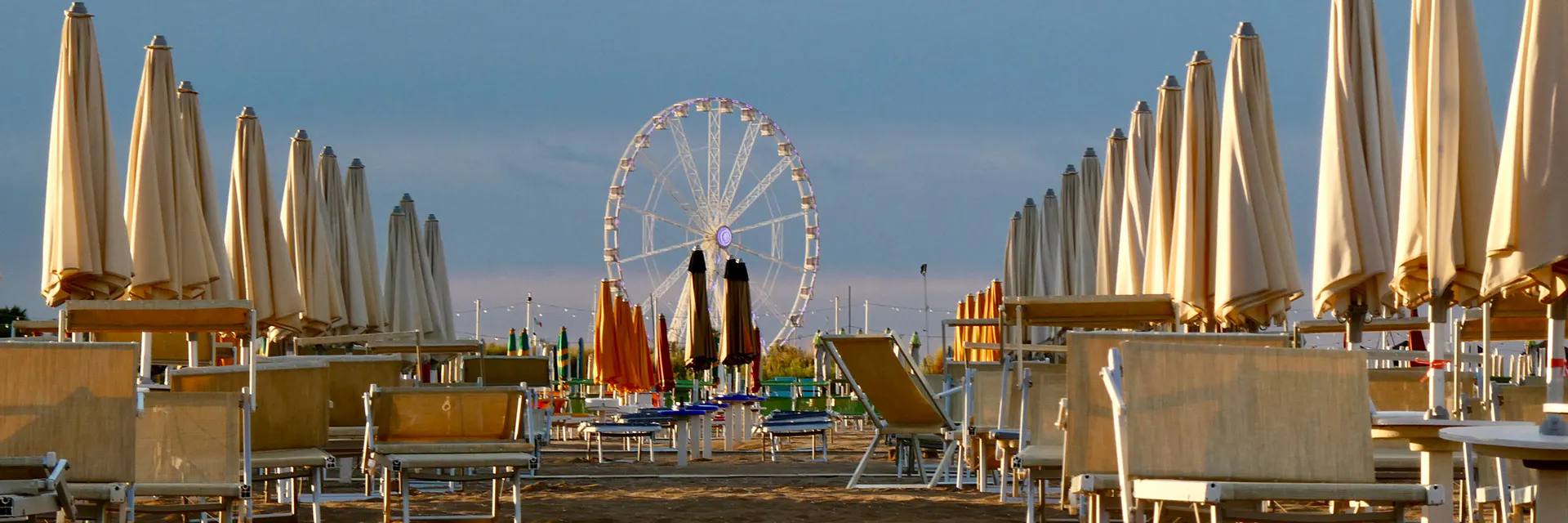
Ultimately, it is as if Bologna served as a hinge city for many of them: between town and world, province and metropolis, politics and emotion, high culture and popular culture. A place where one could be a student, musician, intellectual, slacker, worker—as well as a dreamer, activist, barroom poet, and creature of the night. And perhaps all of these things at once. As the "Maestrone" sang: "Bologna the fat and humane, already a little Romagna and smelling of Tuscany… Bologna to me, a provincial, a lesser Paris… Open-air markets, bistros, the scent of the Left Bank".
This is precisely where this narrative meets our perspective most closely. Because what interests us at Teddy is not celebrating local mythology for its own sake or building a memory album. We are interested in understanding how an openness to the world can spring from a strong sense of belonging. How a province can become a frontier. How a community, when vibrant, doesn't hold people back, but accompanies them to express themselves, grow, and imagine new paths. In other words, we care about the movement embodied in the title: starting from the Via Emilia, from who we are and the places that formed us, and looking toward the West, toward everything we do not yet know.